At Linoir, we often hear the same question from linen lovers around the world: how do you properly Store a Linen Jacket without damaging its texture, shape, and natural elegance? Linen is one of the most breathable, timeless, and sustainable natural fabrics, but it is also highly sensitive to moisture, wrinkles, and improper storage conditions, which makes correct care essential for long-term use.
That is why understanding proper linen care is so important if you want to maintain structure and extend lifespan. Unlike synthetic fabrics, linen requires a balanced approach that includes airflow, humidity control, and gentle handling. In this guide, Linoir will cover everything from preparation and wardrobe organization to ideal storage environments and long-term preservation, using key practices like linen jacket storage, breathable garment storage, folding vs hanging linen jacket, prevent mildew on linen clothes, and moisture control for linen fabric.
Why Proper Linen Jacket Storage Matters?
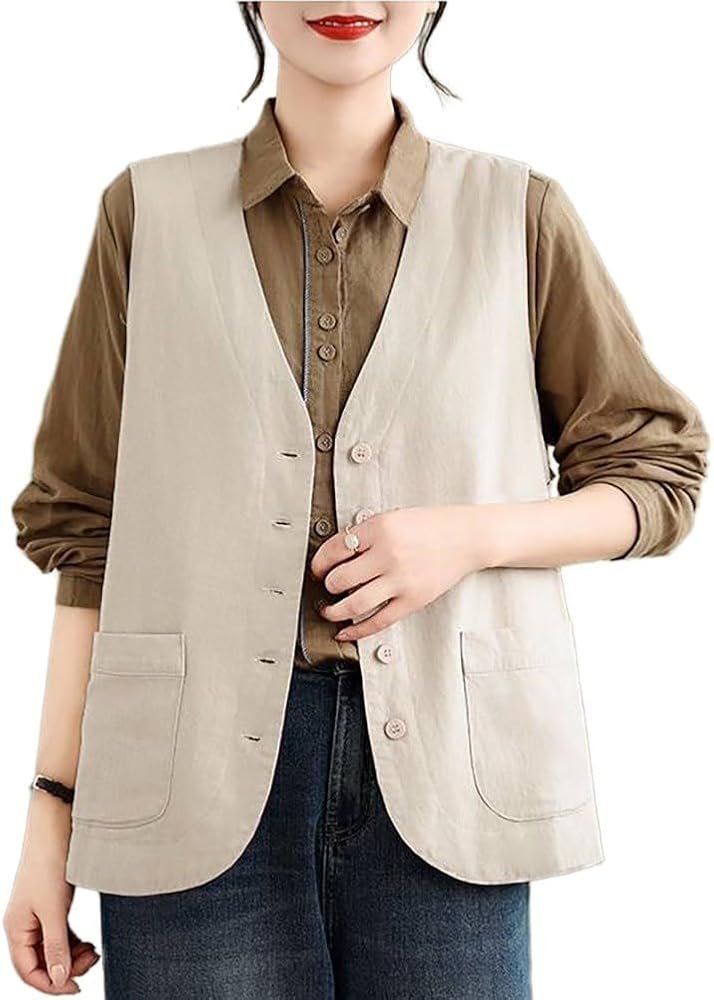
Linen is a natural fiber derived from flax plants, and its structure makes it both durable and delicate at the same time. While it is known for its breathability and strength, it reacts strongly to environmental conditions. Improper linen jacket storage can lead to several long-term issues:
- Permanent deep wrinkles that are hard to remove
- Fabric yellowing caused by oxidation or moisture
- Mold and mildew growth in humid environments
- Loss of shape, especially in structured jackets
- Weakening of fibers due to poor ventilation
When you Store a Linen Jacket correctly, you are essentially preserving the integrity of the fabric’s natural fibers. This means your jacket will maintain its crisp yet relaxed aesthetic, which is the signature charm of linen clothing.
Things to Do Before You Store a Linen Jacket
Before thinking about where or how to store your jacket, preparation is the most important step. Many people damage their linen garments simply because they skip this stage.
Clean the Jacket Properly
One of the most important rules in proper linen clothing storage is to never store a dirty jacket. Even invisible residues like sweat, skin oils, or dust can:
- Attract bacteria and insects
- Cause long-term stains
- Lead to unpleasant odors
- Break down natural fibers over time
Always wash or dry clean your jacket before storage. If your jacket is lightly worn, gentle hand washing with mild detergent is ideal. This step is essential in linen fabric maintenance tips and helps prevent fabric deterioration.
Make Sure the Jacket Is Completely Dry
Moisture is the biggest enemy of linen. Never store a damp or even slightly moist jacket because it increases the risk of:
- Mold and mildew formation
- Musty smell development
- Fabric weakening
For best results in moisture control for linen fabric, air-dry your jacket in a shaded, ventilated space. Avoid direct sunlight or heat drying, which can damage fibers.
Light Steaming or Ironing Before Storage
Before you Store a Linen Jacket, it is highly recommended to reduce deep wrinkles. You do not need a perfect press—just a light refresh using:
- A garment steamer (preferred)
- Low-heat ironing with steam
- Hanging steam exposure
This helps maintain fabric shape and reduces crease setting during storage. This step also aligns with prevent linen wrinkles in storage strategies.
Best Ways to Store a Linen Jacket
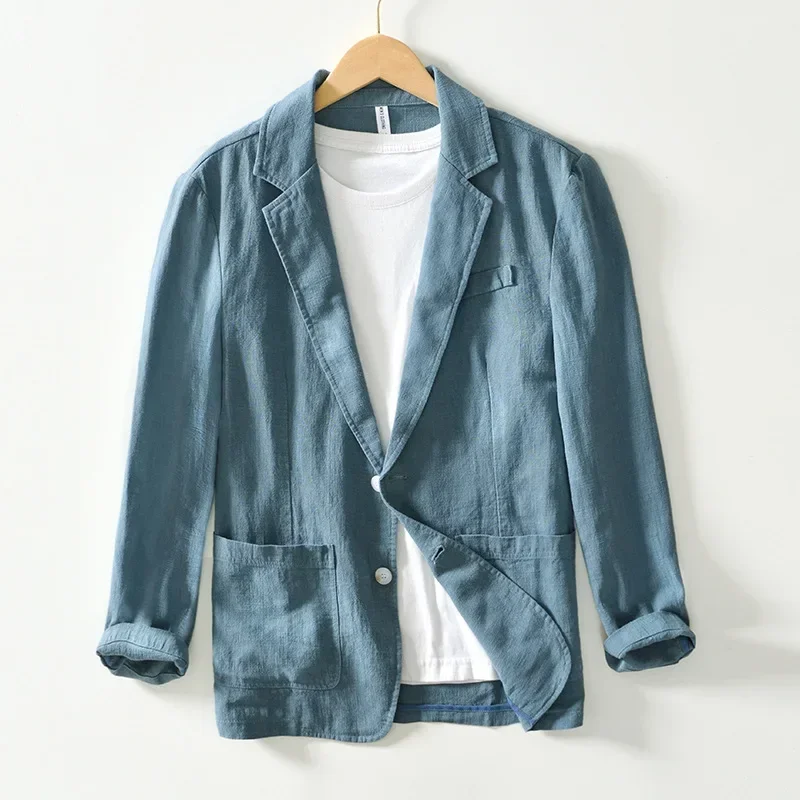
With over a decade of experience in SEO content and fabric care topics, one consistent principle stands out: linen responds best to controlled environments, gentle structure support, and breathable storage solutions that respect its natural fibers.
Hanging Method (Best for Long-Term Storage)
The most reliable way to Store a Linen Jacket for extended periods is by hanging it correctly. Linen naturally relaxes over time, and improper support often leads to permanent creasing or distortion in shape.
Why hanging is the preferred method:
- Preserves the jacket’s natural structure and silhouette
- Minimizes deep-set fold lines that are difficult to remove
- Enhances airflow around the fabric, reducing moisture retention
- Prevents pressure marks caused by stacking or compression
Best practices for hanging:
- Use wide, padded, or wooden hangers to support shoulder structure
- Maintain adequate spacing between garments to avoid friction
- Avoid overcrowded wardrobes where fabric cannot “breathe”
- Keep the jacket in an upright position to maintain drape integrity
This method aligns closely with professional wardrobe organization for linen clothes and is widely considered the foundation of effective breathable garment storage systems.
Folding Method (Short-Term or Travel Storage Only)
Folding should be treated as a temporary solution rather than a long-term storage strategy. While it offers convenience, linen’s natural fiber memory means that folds tend to set over time if left unaddressed.
- Fold along existing seams to reduce stress on fabric lines
- Avoid creating sharp, rigid creases that can become permanent
- Place acid-free tissue paper between folds for added protection
- Avoid stacking heavy garments on top of the jacket
Although practical for travel or short-term placement, folding is not recommended for long-term linen jacket storage, as it increases the likelihood of persistent crease formation that requires steaming or re-pressing.
Using Garment Bags (Seasonal Protection Method)
For seasonal or long-term storage, breathable garment bags provide an effective layer of protection while maintaining airflow—an essential requirement for natural fibers like linen. Cotton or non-woven breathable garment bags. Plastic covers, which trap humidity and increase the risk of mildew and odor buildup
Garment bags help shield the jacket from dust, friction, and environmental exposure while still supporting natural fiber care storage principles. This makes them especially useful for off-season wardrobe rotation and extended storage periods.
Ideal Storage Environment for Linen Jackets
Even the most careful storage method can fail if environmental conditions are not properly controlled. Linen is highly responsive to humidity, temperature, and airflow, making the storage environment a critical factor in long-term preservation.
Keep in a Cool, Dry Place
Linen performs best in stable, low-humidity environments. Excess moisture or heat accelerates fiber degradation and increases the risk of mold development.
- Bathrooms or laundry areas
- Damp basements or poorly ventilated storage rooms
- Closets exposed to fluctuating humidity levels
A cool, dry, and shaded closet remains the most reliable environment for preserving linen structure and preventing long-term damage.
Control Humidity Levels
Humidity control is one of the most overlooked yet essential aspects of long-term linen storage tips. Excess moisture can silently compromise fabric quality over time.
- Use dehumidifiers in naturally humid climates
- Place silica gel or moisture-absorbing packets in storage areas
- Ensure consistent airflow inside wardrobes or storage cabinets
Proper humidity management helps prevent mold, mildew formation, and fiber weakening—common issues in poorly maintained textile storage environments.
Ensure Proper Air Circulation
Linen is a breathable textile, and even in storage, it requires airflow to maintain freshness and structural integrity. Lack of ventilation often leads to stale odors and moisture accumulation.
- Overpacked closets with limited air movement
- Tight stacking of garments without spacing
- Sealed plastic containers or non-breathable storage bins
Maintaining airflow is a fundamental part of breathable garment storage, ensuring that linen remains fresh and structurally stable over time.
Common Mistakes When Storing a Linen Jacket
Even with good intentions, storage mistakes are common and often lead to avoidable damage. Experience in textile content and fabric care consistently shows that most issues arise from neglecting environmental factors rather than the fabric itself.
- Storing the jacket while still damp, leading to mildew and odor buildup
- Using plastic bags that trap moisture and damage natural fibers
- Overcrowding wardrobes, causing deformation and unwanted wrinkles
- Folding for extended periods, resulting in permanent crease lines
- Exposure to direct sunlight, leading to fading and fiber weakening
Avoiding these mistakes is essential for preventing fabric yellowing and maintaining the long-term quality and appearance of linen garments.
Seasonal Storage Tips for Linen Jackets
Seasonal transitions are the moments when linen garments are most vulnerable to improper handling, as changes in temperature and humidity often expose weak points in storage habits. A structured approach to preparation, storage, and post-storage care ensures that the fabric retains its natural integrity and remains ready to wear in optimal condition.
Before storing:
- Wash the jacket thoroughly to remove sweat, oils, and invisible residues that can degrade fibers over time
- Ensure the fabric is completely dry, as even slight moisture can lead to mildew or odor development during long storage periods
- Lightly steam or refresh the jacket to release set wrinkles and reduce crease formation during storage
During storage:
- Use breathable covers such as cotton garment bags to protect from dust while allowing airflow
- Store in cool, dry, and dark environments to prevent fabric fading and oxidation
- Maintain stable conditions by avoiding areas with fluctuating humidity or temperature shifts
After storage:
- Air out the jacket in a ventilated space to restore freshness and remove any stored-in odors
- Use light steaming to relax fibers and restore natural drape before wearing
- Inspect carefully for any signs of moisture, odor, or fabric stress before use
These steps are widely recognized as part of effective how to store clothes for months strategies, especially for natural fibers like linen that respond strongly to environmental conditions.
How to Prevent Wrinkles and Fabric Damage in Storage?
Wrinkling is an inherent characteristic of linen, but its severity and permanence are largely determined by how the fabric is handled during storage. Proper structural support and spacing play a critical role in minimizing long-term creasing and maintaining garment quality.
- Always hang linen jackets instead of stacking them to preserve natural shape and reduce pressure points
- Avoid tight folding, as compressed creases tend to set deeply into natural fibers over time
- Use wide, padded hangers to support shoulder structure and prevent distortion
- Maintain adequate spacing between garments to allow airflow and reduce friction damage
- Avoid placing heavy items on top of stored jackets, which can permanently flatten or deform fabric areas
These practices directly address prevent linen wrinkles in storage and contribute significantly to preserving the jacket’s original silhouette and texture over time.
Extra Care Tips to Make Linen Jackets Last Longer
Storage alone does not define the lifespan of linen garments. Long-term durability is the result of consistent care habits that support the fabric’s natural breathing and recovery process.
- Rotate jackets regularly instead of repeated daily use of a single piece to reduce localized wear
- Air out garments after each wear to release moisture and maintain freshness
- Store away from perfumes, deodorants, or chemicals that may alter fabric composition over time
- Avoid prolonged exposure to direct sunlight, which can weaken fibers and cause uneven fading
- Use gentle cleaning methods that respect the natural structure of linen fibers
When combined with proper storage techniques, these habits significantly extend the lifespan of linen jackets and maintain their visual and structural quality.
FAQs About Store A Linen Jacket
Should linen jackets be hung or folded?
Hanging is the preferred method for long-term storage, as it preserves shape and minimizes deep crease formation. Folding should only be used for short-term or travel purposes.
Can linen jackets be stored in plastic bags?
Plastic bags are not recommended because they trap moisture, which increases the risk of mildew, odor buildup, and fiber deterioration over time.
How can mildew in stored linen be prevented?
Prevention relies on keeping the garment completely dry, ensuring consistent airflow, and using moisture-absorbing solutions such as silica gel or dehumidifiers.
Do linen jackets wrinkle in storage?
Wrinkling can occur naturally, but its severity is greatly reduced when jackets are properly hung, stored in breathable conditions, and lightly steamed before use.
How often should stored linen jackets be checked?
For long-term storage, periodic inspection every few months is recommended to ensure there is no moisture buildup, odor development, or fabric damage.
Conclusion
Proper storage is key to preserving the beauty, texture, and lifespan of linen garments. When you learn how to Store a Linen Jacket correctly, you’re not just organizing your wardrobe—you’re protecting a natural, sustainable fabric that lasts longer with proper care. At Linoir, we believe linen deserves thoughtful handling, from choosing the right linen jacket storage method and ensuring moisture control for linen fabric, to using breathable garment storage techniques. By cleaning before storage, maintaining airflow, avoiding plastic covers, controlling humidity, and using proper hanging methods, you can significantly extend the durability of your jacket. Treat it well, and it will reward you with timeless style and long-lasting comfort.