At Linoir, we often get one recurring question from style-conscious readers and modern menswear enthusiasts: “Is Linen Good for Jackets?” As fashion continues shifting toward breathable, sustainable, and minimalist clothing, linen jackets have become increasingly popular in warm-weather wardrobes, from casual city outfits to tropical vacation looks and even smart-casual office styling.
However, while linen offers a lightweight and stylish appearance, it also has clear limitations such as easy wrinkling, lower structural durability, and restricted seasonal use. In this guide, Linoir explores everything you need to know about linen jackets—including fabric properties, pros and cons, comparisons with other materials, styling ideas, maintenance tips, and whether investing in one is truly worth it.
What Is Linen Fabric? (Understanding the Material First)
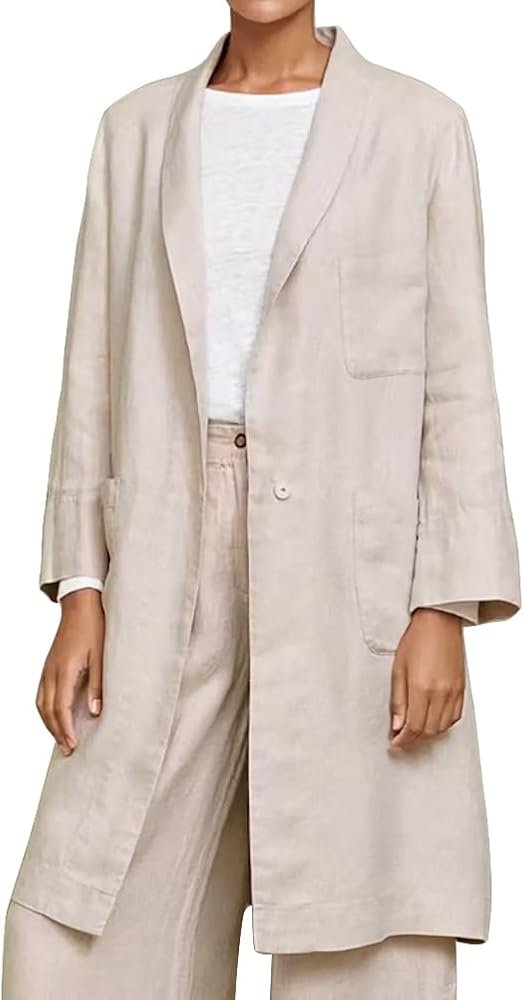
Before evaluating whether linen is good for jackets, it’s important to understand the material itself.
Natural Origin of Linen
Linen is made from the fibers of the flax plant, making it one of the oldest natural textiles in human history. Unlike synthetic fabrics such as polyester, linen is completely biodegradable and eco-friendly. This is why linen is often associated with:
- Sustainable fashion
- Minimalist clothing trends
- Natural lifestyle aesthetics
Key Properties of Linen Fabric
Linen stands out due to its unique physical characteristics:
- Highly breathable fabric
- Excellent moisture absorption
- Strong natural fibers
- Lightweight texture
- Low elasticity (important drawback)
These traits explain why linen performs so well in hot climates but struggles in structured outerwear applications like formal jackets.
Why Linen Is Used in Jackets?
Even though linen is not traditionally used for heavy outerwear, it has become increasingly popular in:
- Summer blazers
- Casual jackets
- Resort wear
- Lightweight layering pieces
Its appeal is not based on structure, but on comfort and visual texture.
Is Linen Good for Jackets? (Quick Answer Overview)
So let’s answer the core question directly: Yes, linen is good for jackets—but only in specific conditions.
Linen jackets are excellent for:
- Warm weather
- Casual or smart-casual outfits
- Lightweight layering
- Travel and vacation wear
However, linen jackets are NOT ideal for:
- Cold weather
- Heavy rain or wind conditions
- Highly formal or structured dress codes
In other words, linen is a seasonal and situational fabric, not an all-purpose outerwear material.
Benefits of Linen Jackets (Pros Explained in Detail)
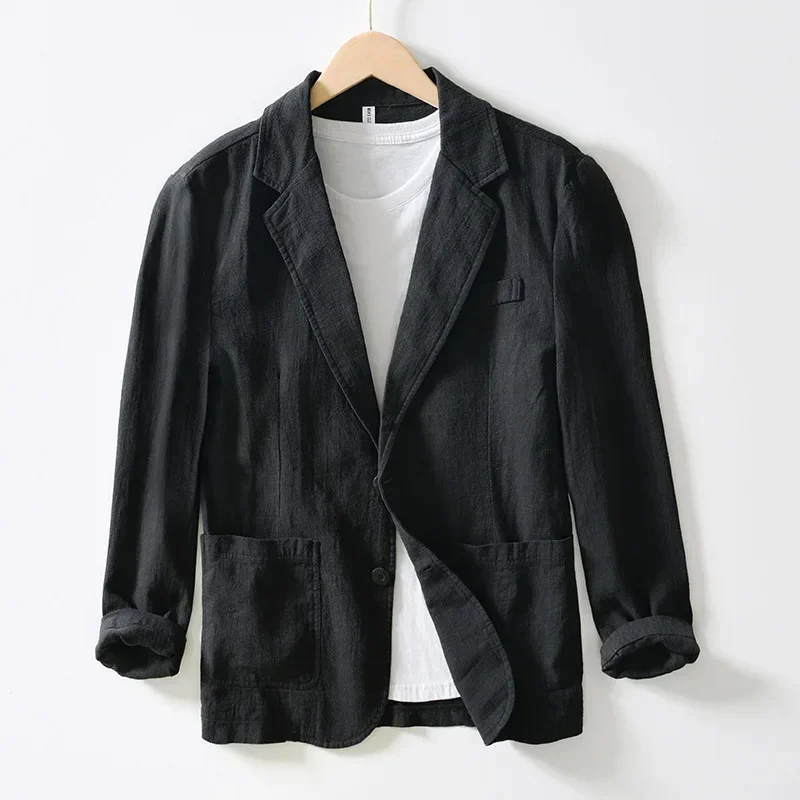
Linen jackets are often chosen not just for style, but for how they perform in real-world warm-weather conditions. When evaluated beyond surface aesthetics, several functional and lifestyle advantages make linen a strong seasonal outerwear option.
Lightweight and Breathable for Hot Weather
One of the primary reasons behind the question “is linen good for jackets” is its performance in heat. Linen is widely recognized as one of the most breathable natural fabrics available, thanks to its loosely woven structure that allows continuous airflow.
- High summer temperatures
- Tropical and coastal climates
- Humid urban conditions
Unlike synthetic fabrics that tend to trap heat and moisture against the body, linen supports natural thermoregulation. The result is a noticeably cooler wearing experience, especially during prolonged outdoor activity. This functional advantage is the core reason linen remains a go-to fabric for summer jackets and lightweight outerwear.
Natural and Eco-Friendly Fashion Choice
Beyond comfort, linen also holds strong appeal from a sustainability perspective. In modern fashion systems where environmental impact is increasingly scrutinized, linen stands out as a responsible material choice.
- Derived from flax plants, a renewable agricultural resource
- Requires significantly less irrigation compared to cotton cultivation
- Fully biodegradable, reducing long-term textile waste
These properties position linen jackets within the broader movement toward eco-conscious fashion. For consumers prioritizing low-impact materials and ethical production cycles, linen represents a balanced intersection of functionality and environmental awareness.
Effortlessly Stylish Appearance
Linen jackets also carry a distinct aesthetic identity that separates them from more structured outerwear fabrics. Instead of a rigid or overly tailored finish, linen naturally develops a soft texture with visible creasing and organic flow.
- Relaxed elegance
- Quiet luxury aesthetics
- Minimalist summer fashion
Rather than being viewed as a flaw, the natural wrinkling of linen contributes to its character. It aligns well with modern styling trends where imperfection is increasingly accepted as part of authenticity. As a result, linen jackets are frequently integrated into smart-casual wardrobes, resort wear collections, and understated fashion ensembles.
Comfortable for Daily Wear and Travel
From a practical standpoint, linen jackets perform strongly in everyday usability. The fabric’s lightweight nature reduces physical burden, making it suitable for long hours of wear in both urban and travel contexts.
- Soft, breathable contact against the skin
- Easy layering over shirts, polos, or T-shirts
- Compact and travel-friendly packing behavior
This combination of comfort and portability explains why linen jackets are commonly chosen for vacations, weekend wear, and warm-weather city lifestyles. They offer a balance between structure and ease that few other fabrics achieve in the same weight category.
Disadvantages of Linen Jackets (Cons You Should Know)
Despite their advantages, linen jackets are not without functional trade-offs. A realistic evaluation requires understanding the inherent limitations of the fabric, especially when used in structured garments like jackets.
Wrinkles Easily (The Most Recognized Limitation)
The most defining characteristic of linen is also its most criticized: a high tendency to wrinkle. Due to its low elasticity and natural fiber structure, linen:
- Develops visible creases within a short period of wear
- Responds strongly to movement, sitting, and folding
- Does not fully recover to a smooth finish through ironing alone
While some view this as part of linen’s relaxed aesthetic identity, in more formal contexts it can be perceived as untidy or under-maintained. This is a key consideration when evaluating linen for structured outerwear applications.
Not Suitable for Cold Weather Conditions
From a performance perspective, linen is fundamentally a warm-weather fabric. Its loose weave and lightweight composition provide minimal thermal insulation.
- Heat retention is extremely limited
- Wind protection is minimal
- Performance in cold environments is inadequate
This makes linen jackets highly seasonal. They function best in spring and summer contexts, but are unsuitable as year-round outerwear in colder climates or transitional seasons requiring insulation.
Lack of Structure and Elasticity
Another limitation lies in the fabric’s mechanical behavior. Linen has inherently low elasticity, which affects how garments retain shape over time.
- Reduced structural sharpness in tailored silhouettes
- Gradual loss of form with frequent wear
- Limited ability to maintain crisp blazer construction
For this reason, linen is less commonly used in formal tailoring where shape retention and precision are essential. Instead, it performs better in relaxed or unstructured jacket designs.
Requires Careful Maintenance
Compared to synthetic or blended fabrics, linen demands a more attentive care routine to preserve both appearance and longevity. Recommended maintenance practices typically include:
- Gentle wash cycles with mild detergents
- Air drying instead of machine drying
- Steam treatment rather than heavy pressing
- Proper hanging storage to maintain drape
Without appropriate care, linen garments may shrink, distort, or lose their intended silhouette over time. This maintenance requirement is an important factor when assessing long-term usability.
Linen Jacket vs Other Fabrics (Comparison Guide)
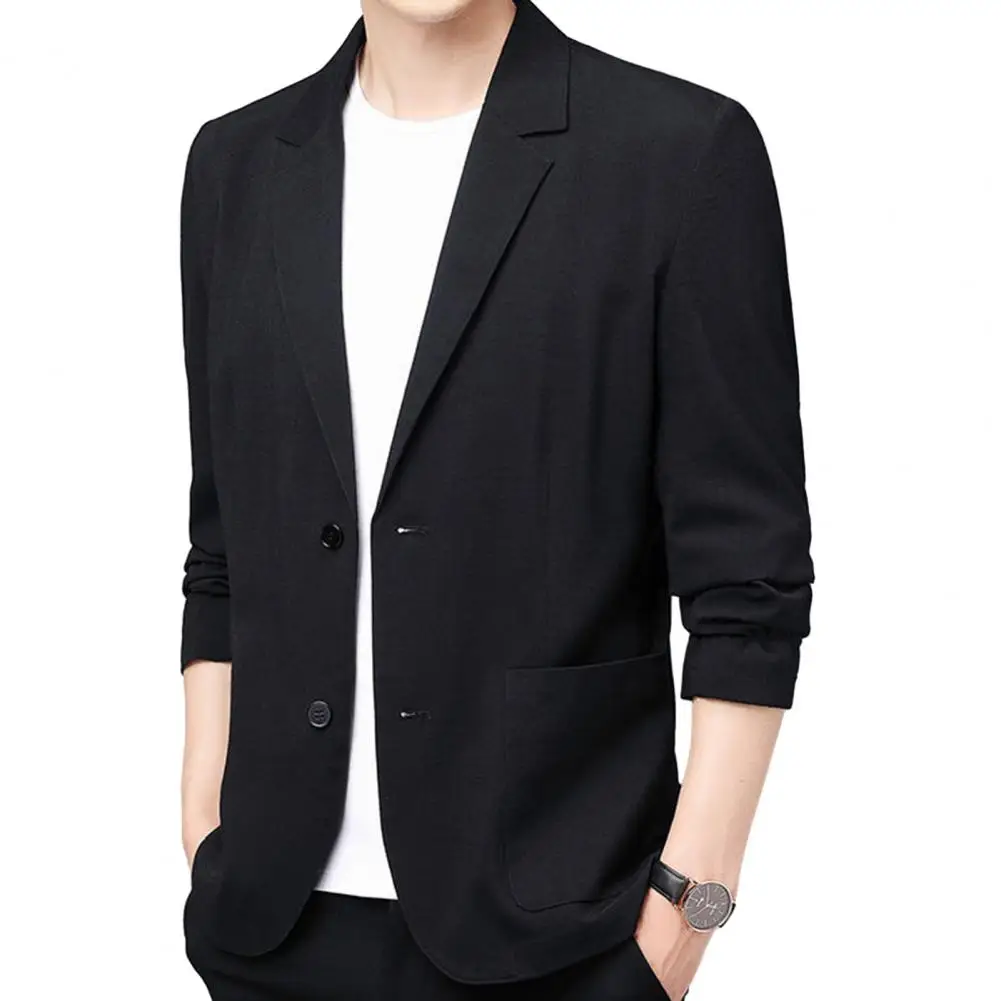
Understanding linen’s value becomes clearer when placed in direct comparison with other commonly used jacket materials.
Linen vs Cotton Jackets
Cotton offers:
- Greater structural stability
- Slightly improved wrinkle resistance
- Broader seasonal adaptability
Linen, in contrast, provides:
- Superior breathability in high heat
- Lighter overall weight
- Better performance in humid climates
Cotton is more versatile across seasons, while linen is optimized specifically for heat-driven comfort and airflow.
Linen vs Wool Jackets
Wool is traditionally used for cold-weather tailoring due to its insulating properties.
Wool characteristics include:
- Strong thermal retention
- Structured, formal appearance
- Seasonal suitability for fall and winter
Linen offers the opposite profile:
- Cooling and breathable performance
- Relaxed, casual visual identity
- Limited use in cold environments
These fabrics serve fundamentally different wardrobe functions rather than competing directly.
Linen vs Polyester Jackets
Polyester represents a synthetic alternative designed for durability and low maintenance.
Polyester advantages include:
- High wrinkle resistance
- Structural stability
- Cost efficiency and mass availability
Linen differs significantly:
- Natural and biodegradable composition
- Higher comfort in hot and humid conditions
- More refined aesthetic texture
Polyester prioritizes practicality and durability, while linen emphasizes comfort, sustainability, and lifestyle-driven aesthetics.
Best Use Cases for Linen Jackets
Linen jackets reveal their true value when placed in the right environmental and styling contexts. Rather than functioning as all-season outerwear, they perform best as situational pieces designed for warmth, breathability, and relaxed elegance.
Summer and Hot Weather Outfits
The most natural application of linen jackets is within warm-weather dressing. Their lightweight construction and breathable weave make them highly effective in heat-intensive environments.
- Summer daily wear in hot or humid climates
- Outdoor daytime activities under direct sunlight
- Urban commuting during peak temperature seasons
In these conditions, linen helps regulate body temperature by allowing continuous airflow, preventing the heavy, enclosed feeling often associated with synthetic or structured fabrics. This makes it a practical choice for maintaining comfort without compromising visual presentation.
Casual Everyday Fashion
In modern menswear, linen jackets have become a foundational piece for relaxed yet intentional styling. Their slightly unstructured silhouette aligns well with contemporary casual aesthetics.
- Linen jacket paired with a white T-shirt and denim jeans
- Layered over chinos with clean sneakers
- Neutral-toned ensembles built around beige, white, or earth tones
These combinations create a balanced look that sits between effortless and refined. The result is a wardrobe approach that prioritizes ease of wear while still maintaining visual coherence and style awareness.
Smart-Casual Office Wear
In evolving workplace environments where dress codes have become more flexible, linen jackets—especially in blazer form—serve as a strong smart-casual option.
- Business-casual summer office settings
- Creative industries with relaxed attire standards
- Client meetings in warm-weather regions
When paired with structured elements such as button-down shirts and tailored chinos, linen jackets strike a balance between professionalism and comfort. This makes them particularly relevant during seasonal transitions when traditional suiting fabrics may feel too heavy.
Travel and Vacation Outfits
Linen jackets are especially effective in travel-focused wardrobes due to their lightweight structure and adaptability.
- Beach destinations and coastal environments
- Tropical or humid travel regions
- Minimal luggage, capsule wardrobe packing strategies
Their breathable nature ensures comfort during long periods of wear, while their low weight makes them easy to pack and carry. This combination of practicality and aesthetic versatility makes linen a preferred fabric for destination-based dressing.
Special Occasions (Light Formal Settings)
While not designed for strict formalwear, linen jackets can still function effectively in semi-formal and outdoor event settings where relaxed elegance is appropriate.
- Summer weddings with informal dress codes
- Garden parties and outdoor receptions
- Seasonal social gatherings in warm climates
In these contexts, linen offers a refined yet approachable appearance, provided the overall styling remains aligned with the event’s relaxed nature.
How to Style a Linen Jacket? (Practical Guide)
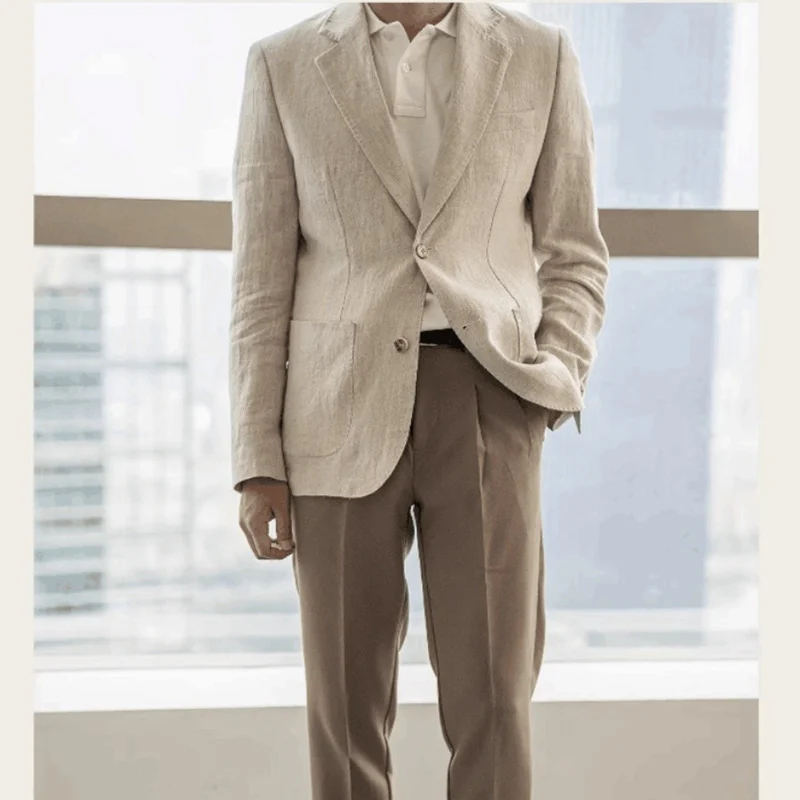
Styling linen jackets requires an understanding of balance—since the fabric naturally leans toward relaxed aesthetics, complementary pieces should either reinforce that tone or introduce subtle structure.
Casual Looks
Casual styling focuses on simplicity and comfort-driven combinations. Common elements include:
- Plain white or neutral T-shirts
- Slim or straight-fit jeans
- Clean sneakers or minimalist footwear
This approach emphasizes effortless summer dressing, where the linen jacket acts as a lightweight outer layer that elevates basic essentials without overwhelming them.
Smart-Casual Looks
Smart-casual styling introduces a more structured foundation while preserving linen’s relaxed identity. Typical combinations include:
- Button-down shirts in neutral or muted tones
- Tailored chinos or lightweight trousers
- Loafers or refined minimalist shoes
This styling direction is particularly effective for office environments or semi-formal daytime settings, where professionalism and comfort must coexist.
Minimalist Summer Fashion
Minimalist styling leverages linen’s natural texture while maintaining a clean and cohesive visual language.
- Neutral color palettes such as white, beige, sand, and soft grey
- Lightweight layering without visual clutter
- Clean silhouettes with minimal contrast
This approach aligns closely with modern minimalist fashion trends, where simplicity and material authenticity are prioritized over decorative complexity.
How to Care for a Linen Jacket?
Proper maintenance is essential to preserve both the appearance and structural integrity of linen garments over time. Due to its natural fiber composition, linen responds best to gentle handling and low-intensity care methods.
Washing Tips
Linen should be treated with a controlled washing approach to minimize fiber stress:
- Cold water washing is recommended to prevent shrinkage
- Gentle cycle settings reduce mechanical damage
- Mild, non-aggressive detergents help preserve fiber quality
Drying Guidelines
Drying methods significantly impact fabric longevity:
- Air drying is preferred to maintain shape stability
- Machine drying should be avoided due to heat sensitivity
- Garments should be hung immediately after washing to reduce crease formation
Wrinkle Management
Wrinkle behavior is inherent to linen, but can be managed effectively:
- Steam treatment is more suitable than high-heat ironing
- Light natural wrinkling can be accepted as part of the fabric’s identity
- Excessive pressing should be avoided to maintain fiber integrity
Storage Tips
Correct storage practices help maintain garment structure over time:
- Use wide hangers to support shoulder shape
- Avoid prolonged folding that may create deep creases
- Store in dry, ventilated environments to prevent moisture retention
FAQs About Is Linen Good For Jackets?
Common questions about linen jackets often revolve around seasonality, practicality, and styling suitability, especially when evaluating their real-world performance in different contexts.
Is linen good for jackets in all seasons?
Linen jackets are not designed for year-round use. Their breathable and lightweight structure makes them highly effective in warm weather, particularly during spring and summer. However, due to limited insulation and heat retention, they perform poorly in cold conditions. This makes linen a seasonal outerwear choice rather than a universal one.
Do linen jackets wrinkle a lot?
Yes. Wrinkling is an inherent characteristic of linen fabric caused by its natural fiber structure and low elasticity. Creases can form easily during movement or wear and are not fully eliminated through standard ironing. While often seen as a drawback in formal contexts, these wrinkles are also widely accepted as part of linen’s relaxed and natural aesthetic.
Are linen jackets worth it?
Linen jackets are worth considering for those prioritizing comfort, breathability, and lightweight seasonal style. They perform especially well in hot climates and casual to smart-casual settings. However, they may not be ideal for users seeking structured, all-season, or high-formality outerwear.
Can linen jackets be worn formally?
Linen jackets can work in relaxed formal or semi-formal environments, particularly during summer events. However, in strict formal dress codes that require sharp structure and wrinkle-free presentation, they are generally less suitable.
Conclusion
So after exploring everything from fabric properties to styling and real-life use cases, the answer to “Is Linen Good for Jackets?” becomes clear. Linen jackets are not perfect—they lack structure, wrinkle easily, and aren’t suitable for year-round wear. However, they excel in breathability, lightweight comfort, effortless style, and sustainability, making them ideal for warm climates and relaxed fashion. At Linoir, we see linen jackets as a lifestyle choice rather than a functional necessity—perfect for those who value minimalism, comfort, and seasonal elegance. If you need durability, structure, or cold-weather protection, other fabrics may suit you better, but for summer ease and natural style, linen remains a strong choice.