At Linoir, we believe that a linen jacket is more than just a seasonal wardrobe piece—it’s a statement of effortless elegance. But anyone who owns linen knows one universal truth: it wrinkles easily, sometimes even minutes after wearing it. That’s exactly why understanding How to Iron a Linen Jacket properly is essential if you want to keep it looking sharp, structured, and refined. Linen is loved for its breathability, natural texture, and relaxed aesthetic, but those same qualities make it prone to creasing. Many people damage their jackets simply because they use the wrong heat level, skip moisture techniques, or rush the ironing process.
In this complete guide, we’ll walk through wrinkle-free techniques for linen jackets, from fabric science to step-by-step ironing methods, professional steaming alternatives, and long-term care strategies. Whether you’re preparing for a formal event, office wear, or casual styling, this guide will help you master the art of keeping linen crisp without losing its natural charm.
Understanding Linen Fabric Before Ironing
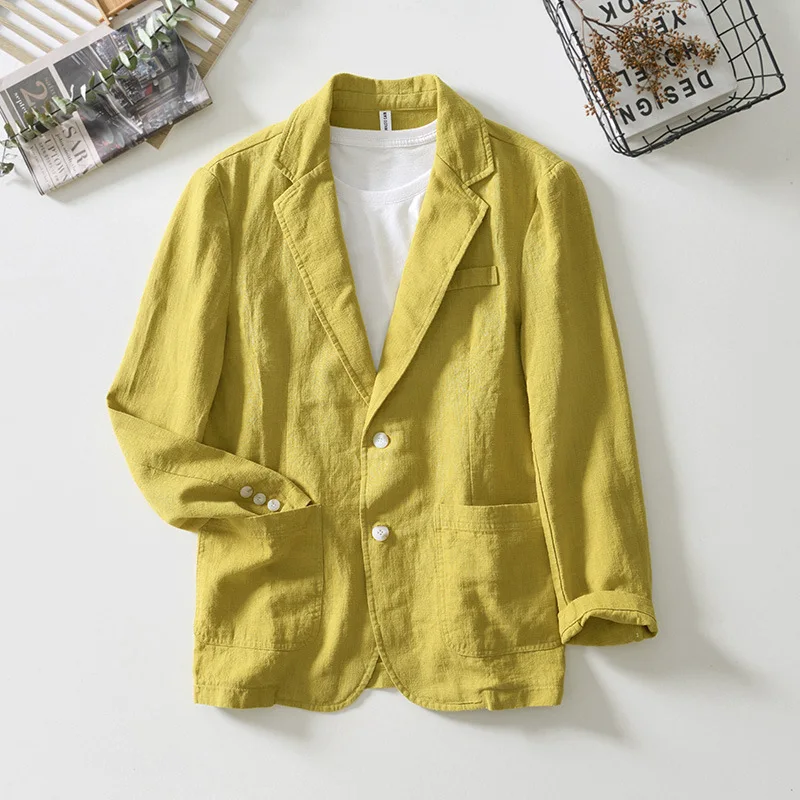
Before learning how to iron a linen jacket, it’s important to understand why linen behaves the way it does. Linen is a natural fiber derived from flax plants, and its structure is what gives it both beauty and frustration.
Why Linen Wrinkles So Easily?
Linen fibers are thicker and less elastic compared to cotton or synthetic fabrics. The weave is relatively loose, which allows air to flow freely—making it one of the most breathable fabrics in the world. However, this structure also means:
- Fibers shift easily when worn or folded
- Moisture changes fabric tension quickly
- Creases form naturally and hold shape
That “relaxed wrinkle look” is actually part of linen’s identity. However, for jackets, excessive wrinkling can look unpolished, especially in structured outfits.
Is It Safe to Iron a Linen Jacket?
Yes—linen jackets can be safely ironed, but only if the correct method is used. The most common mistakes include:
- Using high heat (which weakens fibers)
- Ironing completely dry fabric
- Pressing too long in one area
- Ignoring fabric grain direction
When done correctly, ironing not only removes wrinkles but also restores the jacket’s structure and improves its overall appearance.
Essential Tools for Ironing a Linen Jacket
To properly execute How to Iron a Linen Jacket — Wrinkle-Free Techniques, preparation is key. The right tools reduce risk and improve results significantly.
Must-Have Equipment:
- Steam iron: The most important tool for linen care
- Ironing board: Provides stable surface for shaping
- Spray bottle with water: Adds controlled moisture
- Press cloth (cotton fabric layer): Protects linen from direct heat
Optional but Highly Useful Tools:
- Garment steamer for quick wrinkle removal
- Hanging rack for vertical steaming
- Fabric conditioner spray for stubborn creases
Having the right setup ensures you can handle both light touch-ups and deep wrinkle correction safely.
How to Iron a Linen Jacket Step-by-Step?
Now let’s go through the complete process of how to iron a linen jacket properly, using safe, fabric-friendly techniques.
Step 1 — Check the Care Label
Always begin by reading the care label inside the jacket. Some linen jackets are blended with cotton or synthetic fibers, which may slightly change heat tolerance. Look for:
- Maximum ironing temperature
- Steam allowance
- Dry-clean-only warnings
Ignoring this step is one of the most common causes of fabric damage.
Step 2 — Slightly Dampen the Fabric
Linen responds best to moisture. Ironing completely dry fabric often leads to uneven results or even shine marks. You can:
- Lightly mist the jacket using a spray bottle
- Use steam function on the iron
- Iron while fabric is slightly damp after washing
This step is crucial for effective wrinkle removal.
Step 3 — Set the Correct Iron Temperature
For linen, the ideal setting is:
- Low to medium heat for blended linen
- Medium to high (with steam) for pure linen
Avoid maximum heat unless absolutely necessary. Too much heat can weaken fibers and create permanent shine marks.
Step 4 — Start with Inner Areas First
Begin ironing from the inside of the jacket:
- Inner lining
- Sleeves (inside-out)
- Hidden seams
This helps prevent visible pressure marks on the outer fabric and allows better control over shaping.
Step 5 — Iron the Sleeves Properly
Sleeves are often the most difficult part of a linen jacket. Tips:
- Lay sleeve flat along seam
- Use slow, straight strokes
- Avoid pressing too long in one spot
- Rotate sleeve for full coverage
Smooth sleeves create a cleaner silhouette overall.
Step 6 — Move to the Jacket Body
Now focus on the outer sections:
- Front panels
- Back panel
- Side seams
Always use a press cloth to avoid direct contact between iron and fabric. Move the iron gently instead of pressing aggressively.
Step 7 — Collar and Shoulder Detailing
These areas define the structure of the jacket.
- Shape collar carefully with steam
- Avoid flattening natural curves
- Use tip of iron for precision work
This step gives the jacket a more tailored, polished appearance.
Step 8 — Final Hanging Process
Immediately after ironing:
- Hang jacket on a structured hanger
- Allow it to cool naturally
- Avoid folding for at least 30–60 minutes
This helps “set” the fabric and prevents new wrinkles from forming.
Wrinkle-Free Techniques for Linen Jackets

Mastering how to iron a linen jacket isn’t just about ironing—it’s also about using alternative techniques that protect fabric integrity.
Steam Iron Method (Best Overall Technique)
Steam is the most effective way to handle linen wrinkles. Benefits:
- Softens fibers instantly
- Reduces need for heavy pressing
- Prevents overheating damage
This is ideal for both light and moderate wrinkles.
Vertical Steaming Technique
This method is widely used by fashion professionals. How it works:
- Hang jacket on hanger
- Use handheld steamer
- Move steam vertically down fabric
Advantages:
- No ironing board required
- Safe for delicate structure
- Perfect for quick refresh before wearing
Damp Cloth Pressing Method
This traditional method is extremely safe for linen jackets. Steps:
- Place damp cotton cloth over jacket
- Iron on medium heat
- Press gently without sliding too fast
This creates moisture-buffered heat application, reducing damage risk.
Shower Steam Hack (Quick Fix Method)
If you’re traveling or in a hurry:
- Hang jacket in bathroom
- Run hot shower for 10–15 minutes
- Allow steam to loosen wrinkles
Not perfect, but effective for light creases.
Common Mistakes When Ironing Linen Jackets
Even when understanding the basics of how to iron a linen jacket, small execution errors can easily lead to fabric damage or a dull, over-pressed finish. With linen in particular, technique matters more than force, and experienced handling is often defined by what not to do.
Using Too Much Heat
One of the most frequent mistakes is applying excessive heat under the assumption that it will remove wrinkles faster. In reality, linen responds poorly to aggressive temperature.
- Burn or weaken natural flax fibers
- Leave permanent shine marks on the surface
- Distort the jacket’s original structure and drape
A controlled medium heat combined with steam is significantly safer and produces a more natural finish without compromising fabric integrity.
Ironing Dry Fabric
Another critical error is ironing linen when it is completely dry. Linen requires a degree of moisture to relax its fiber tension effectively.
- Uneven wrinkle removal that returns quickly
- A stiff, over-processed texture
- Increased risk of scorching or heat damage
Lightly damp fabric—or the use of built-in steam—allows fibers to release creases gradually, resulting in a smoother and more organic finish.
Over-Pressing One Area
Applying prolonged pressure on a single section is a subtle but damaging habit, especially on structured garments like jackets.
- Flattening of linen’s natural texture
- Visible iron imprints or “press marks”
- Gradual weakening of fabric fibers in high-contact zones
Professional handling relies on continuous movement rather than static pressing, allowing heat and moisture to work evenly across the surface.
Ignoring Fabric Grain
Linen, like all woven fabrics, has a directional grain that influences how it drapes and holds shape. Ignoring this structure during ironing disrupts the garment’s natural balance.
- Distorted jacket silhouette
- Uneven surface tension
- Reduced longevity of the garment’s tailored form
Following the fabric’s natural direction ensures the jacket maintains its intended flow and structure over time.
How to Prevent Wrinkles in Linen Jackets?

Wrinkle prevention is often more effective than correction, especially when working with a fabric as reactive as linen. With the right habits, the need for frequent ironing can be significantly reduced, preserving both appearance and fabric quality.
Proper Storage
Storage plays a fundamental role in maintaining a wrinkle-free linen jacket between wears.
- Always hanging jackets on structured, wide-shoulder hangers to preserve shape
- Avoiding folding for extended periods, which creates deep-set creases
- Keeping sufficient space in wardrobes to prevent fabric compression
These simple adjustments help maintain the jacket’s natural drape and reduce the formation of stubborn wrinkles.
Travel Tips
Linen requires careful handling during travel due to constant folding and pressure inside luggage.
- Rolling jackets instead of folding to minimize crease lines
- Using breathable garment bags for protection and airflow
- Applying steam immediately after unpacking to restore shape
These methods help preserve a presentable look even after long transit times.
Fabric Choice Strategy
Not all linen jackets behave the same way. Fabric construction and fit significantly influence wrinkle visibility.
- Looser-fit jackets tend to conceal wrinkles better due to relaxed tension
- Heavier linen blends generally crease less than ultra-lightweight weaves
- Structured tailoring may highlight wrinkles more visibly than casual cuts
Selecting the right type of linen for intended use reduces maintenance demands over time.
Quick Daily Maintenance
Daily care habits often determine whether linen appears refined or overly wrinkled during wear.
- Light steaming before wearing to refresh fibers
- Hanging jackets in a ventilated space after use
- Avoiding prolonged compression in tight storage areas
Consistent small actions help maintain a naturally smooth appearance without heavy ironing.
Alternative Methods to Remove Wrinkles
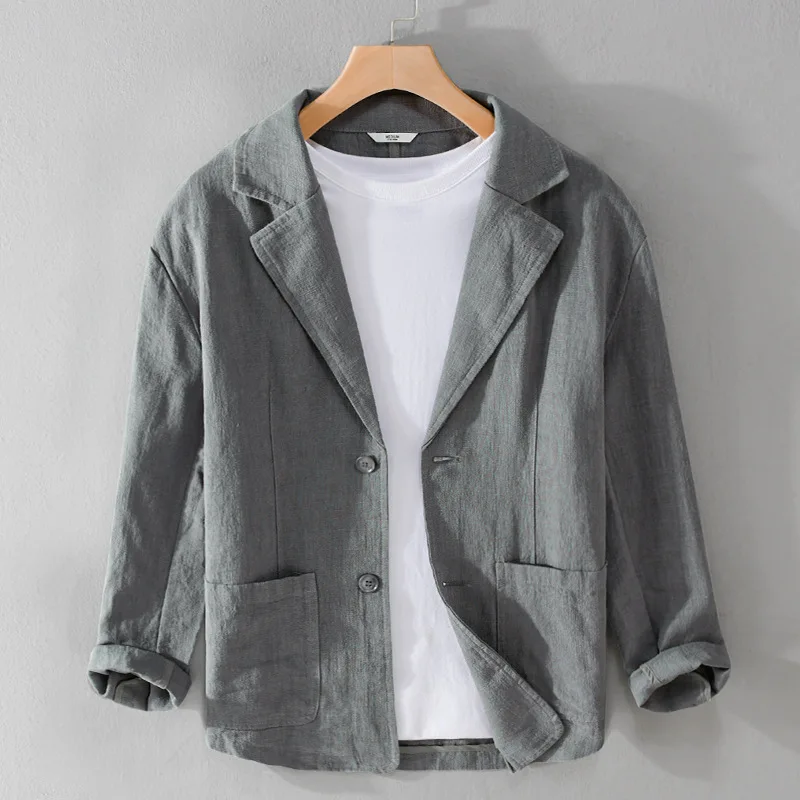
While traditional ironing remains effective, modern garment care increasingly relies on gentler, more efficient techniques for maintaining linen’s texture and structure.
Steaming vs Ironing
Both steaming and ironing serve important roles in linen care, but they function differently and suit different situations.
Steaming is typically:
- Faster and more convenient for everyday use
- Safer for delicate fibers due to indirect heat
- Less likely to alter natural fabric texture
Ironing, on the other hand, is:
- More precise for shaping structured areas
- Better for creating crisp lines on collars and seams
- Ideal for formal or polished appearances
Each method serves a distinct purpose depending on the desired outcome.
Combination Method
In professional garment care practice, a hybrid approach is often preferred for optimal results. This method typically involves:
- Using steaming to relax general wrinkles across the jacket
- Applying targeted ironing for collars, cuffs, and structured edges
By combining both techniques, linen maintains its natural softness while still achieving a refined, tailored finish. This balanced approach is widely used in high-end garment maintenance where both texture and precision are equally important.
FAQs About How To Iron A Linen Jacket?
A concise set of answers to clarify the most common concerns when learning how to iron a linen jacket. These insights focus on practical garment care rather than overcomplicated theory.
Can you iron a linen jacket on high heat?
High heat can be used on pure linen, but only with steam support and careful control. Without moisture balance, excessive heat increases the risk of fiber damage, shine marks, and loss of structure. Medium heat with steam remains the safest and most consistent choice.
Should linen be ironed wet or dry?
Slightly damp linen delivers the best results. Moisture helps relax fibers, making wrinkles easier to smooth out. Fully dry fabric resists ironing, while overly wet fabric can stretch or distort shape.
Is steaming better than ironing?
For everyday maintenance, steaming is generally more efficient. It is faster, safer, and gentler on natural fibers. Ironing is still preferred when sharper structure is needed, especially on collars and tailored edges.
How often should you iron a linen jacket?
Ironing should be minimal. Linen is designed to carry a natural texture, and excessive heat treatment can shorten fabric lifespan. Light steaming between wears is usually enough to maintain a presentable look.
Can wrinkles in linen be completely removed?
Wrinkles can be significantly reduced, but not permanently eliminated. Linen naturally regains soft creases over time due to its fiber structure. This texture is part of its character and aesthetic, not a defect.
Conclusion
At Linoir, we understand that mastering How to Iron a Linen Jacket is not just about removing wrinkles—it’s about preserving the natural beauty, texture, and structure of one of the world’s most elegant fabrics. Linen will always carry a sense of relaxed imperfection, but with the right wrinkle-free techniques, you can control its appearance without losing its charm.
From steam ironing and damp cloth methods to vertical steaming and smart storage habits, every technique in this guide helps you maintain a clean, polished, and sophisticated look. Once you understand the fabric and treat it with care, your linen jacket becomes not just easy to maintain—but effortlessly stylish in every situation.