At Linoir, we believe a linen jacket is more than just a seasonal item—it represents effortless style, natural comfort, and timeless elegance. However, linen is often misunderstood when it comes to care, which makes understanding How to Wash a Linen Jacket essential if you want to keep its shape, texture, and durability over time.
Unlike synthetic fabrics, linen is made from natural flax fibers, making it breathable and ideal for warm weather, but also more prone to shrinkage, stiffness, and damage if washed incorrectly. In this guide, Linoir will cover everything from linen fabric care tips, safe washing methods, drying techniques, wrinkle management, and common mistakes, helping you properly care for any linen jacket—from casual summer blazers to tailored smart-casual pieces.
Understanding Linen Fabric
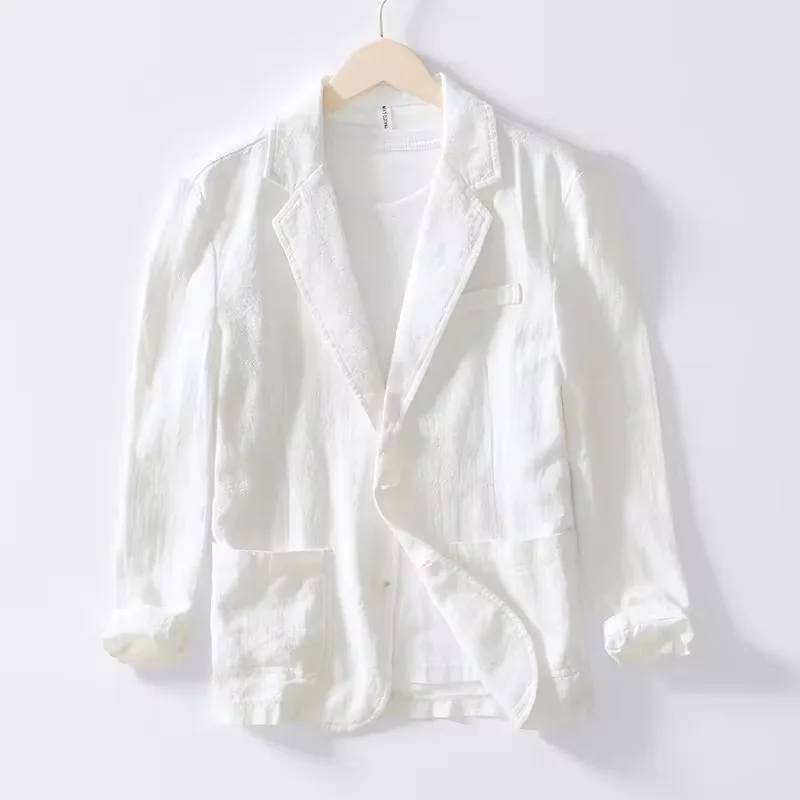
Linen is often praised for its effortless aesthetic and comfort, but truly understanding the material is key to knowing how to care for it properly. Before learning how to wash a linen jacket without damaging the fabric, it helps to look at what makes linen unique—and why it behaves differently from other textiles.
What Is Linen?
Linen is a natural textile derived from the fibers of the flax plant, making it one of the oldest and most respected fabrics in human history. Its structure is inherently open and breathable, which explains its strong performance in warm-weather wear. The fabric is widely valued for several defining qualities:
- Breathability, allowing air to circulate freely and keep the body cool
- Moisture-wicking ability, absorbing sweat without feeling heavy or damp
- Lightweight structure, making it ideal for relaxed tailoring and layering
- Natural texture and elegance, offering a slightly uneven, organic finish that enhances its visual depth
Because of these properties, linen jackets are a preferred choice for summer wardrobes and smart casual styling, especially in climates where comfort and airflow are essential.
Why Linen Requires Special Care?
To properly understand how to wash a linen jacket without damaging the fabric, it’s important to recognize that linen is structurally different from synthetic or heavily processed materials. Its natural fibers are strong but not highly elastic, which makes it both durable and delicate in specific conditions.
- Wrinkling tendency: Linen naturally creases due to its loose weave, which is part of its aesthetic but also makes it sensitive to aggressive handling
- Shrinkage risk: Exposure to hot water or high-heat drying can cause noticeable size reduction and distortion of shape
- Texture sensitivity: Harsh detergents or chemical-heavy cleaners can strip natural softness, leaving the fabric stiff and rough
- Fiber stress: Repeated aggressive washing gradually weakens the flax fibers, reducing overall garment lifespan
This explains why search intent around linen care often includes queries such as how to wash linen without shrinking, linen fabric washing instructions, and safe cleaning for linen jacket—all centered around preserving the fabric’s natural integrity while avoiding common damage points.
Can You Wash a Linen Jacket?
Linen jackets can absolutely be washed, but the real question is not whether they can be cleaned at home—it’s how they should be handled based on their construction and fabric composition. A correct approach depends on reading the garment properly, understanding fabric blends, and preparing the item before any contact with water or detergent.
Check the Care Label First
The care label is the most reliable source of washing instructions and should always be the starting point before any cleaning method is chosen. Linen jackets generally fall into three distinct care categories:
- Hand wash safe linen jackets
- Machine washable linen jackets
- Dry clean only linen jackets
Each category reflects differences in fabric construction, lining, and stitching stability. Ignoring this step is one of the most frequent mistakes in both linen jacket care for men and tailored women’s linen blazers, often leading to irreversible fabric damage or structural weakening.
Fabric Blends Matter
Not all linen jackets behave the same way because fabric composition plays a critical role in wash tolerance and durability.
- 100% linen requires the most delicate handling due to its natural fiber structure and higher shrinkage sensitivity
- Linen-cotton blend offers improved stability and slightly easier maintenance while retaining breathability
- Linen-synthetic blend generally more resistant to wrinkles and easier to wash, but with reduced natural airflow and softness
Understanding fabric composition is essential for selecting the correct linen fabric care method, especially when deciding between hand washing, machine washing, or dry cleaning.
Pre-Washing Preparation
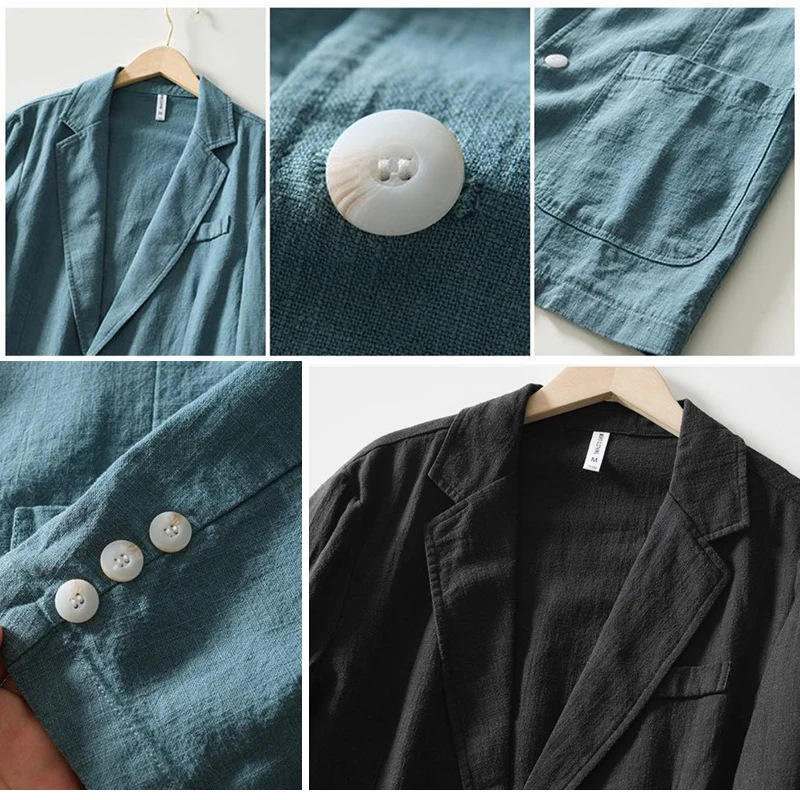
Effective linen care begins long before the jacket is placed in water. Proper preparation significantly reduces the risk of fabric stress, uneven cleaning, and long-term wear damage. A structured pre-wash routine helps maintain both the appearance and longevity of the garment.
Inspect the Jacket
A careful inspection allows for a more targeted cleaning approach rather than unnecessary full washing. Key areas to check include:
- Visible stains or localized marks
- Sweat accumulation around collar and underarms
- General dirt buildup from regular wear
- Weak stitching or loose seams that may worsen during washing
This step helps determine whether a full wash is necessary or if spot cleaning a linen jacket is sufficient to restore its condition.
Spot Cleaning First
For minor stains or light soiling, spot cleaning is often the most efficient and fabric-safe solution.
- Apply a small amount of mild detergent for delicate fabrics
- Gently dab the affected area using a soft cloth
- Avoid rubbing or scrubbing, as this can disrupt linen fibers
Spot cleaning reduces the frequency of full washes, which in turn helps preserve the natural strength and texture of linen over time.
Separate and Prepare
Proper preparation before washing helps minimize friction and prevent unnecessary fabric stress. Best practices include:
- Separating light and dark garments to avoid color transfer
- Turning the jacket inside out to protect the outer surface
- Closing buttons, zippers, or fastenings to maintain structure during washing
These small steps significantly reduce wear caused by mechanical agitation and improve overall washing results.
How to Hand Wash a Linen Jacket? (Safest Method)
When considering how to wash a linen jacket without damaging the fabric, hand washing remains the most controlled and fabric-friendly method. It allows full control over temperature, movement, and detergent exposure, which is crucial for delicate natural fibers.
Step-by-Step Hand Wash Guide
A proper hand washing process should be slow, gentle, and consistent:
- Fill a clean basin with cold or lukewarm water
- Add a mild detergent suitable for linen clothing
- Submerge the jacket fully without forcing it into the water
- Allow it to soak for 10–15 minutes to loosen dirt naturally
- Gently move the fabric through the water without scrubbing or twisting
- Drain and rinse thoroughly using clean water until no detergent remains
The key principle is minimal mechanical force combined with adequate soaking time to protect fiber integrity.
Why Hand Washing Is Best?
Hand washing is widely recommended for high-quality linen garments due to its controlled and gentle nature. Its main advantages include:
- Reduced risk of linen shrinkage
- Preservation of natural softness and breathability
- Better protection of fabric texture and weave structure
- Lower overall stress on fibers compared to machine agitation
This method is particularly important for garments made from 100% linen, where fiber sensitivity is significantly higher.
How to Machine Wash a Linen Jacket? (If Allowed)
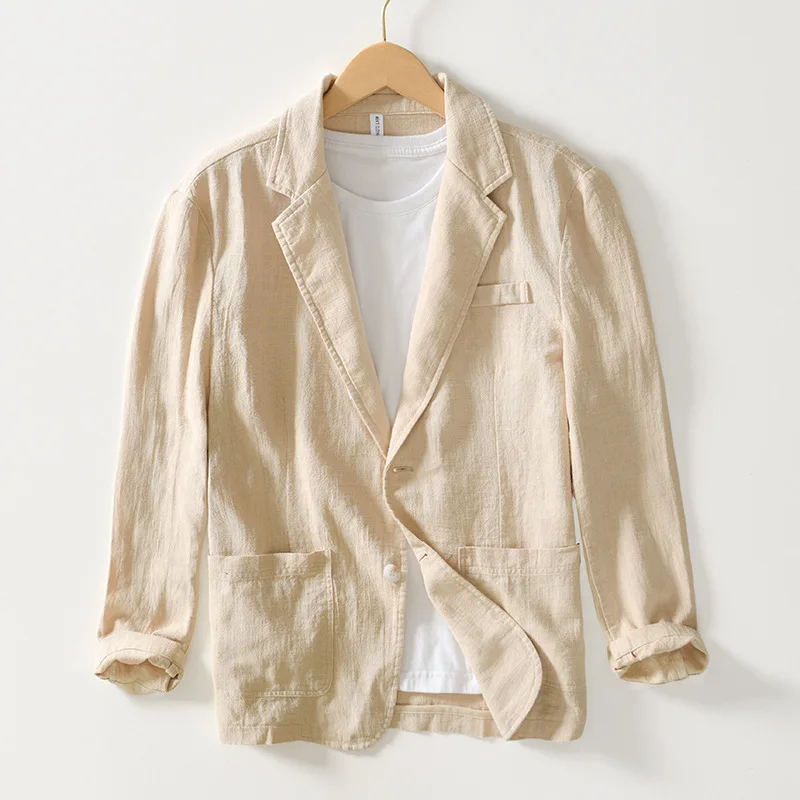
Machine washing can be a practical option only when explicitly permitted by the care label. However, it requires strict adherence to gentle settings and protective measures to minimize fabric damage.
Safe Machine Settings
To reduce risk when machine washing linen:
- Select a gentle or delicate cycle
- Use cold water washing settings to prevent shrinkage
- Set a low spin speed to avoid excessive fabric stress
These adjustments help simulate a softer washing environment and reduce fiber distortion.
Protective Steps
Additional precautions should always be applied:
- Place the jacket inside a mesh laundry bag for added protection
- Wash separately or with lightweight fabrics only
- Avoid heavy textiles such as jeans or towels that increase friction
These steps help prevent abrasion and maintain the jacket’s structure during the wash cycle.
Detergent Choice
Choosing the right detergent is critical for maintaining linen quality.
Recommended options:
- Mild, neutral detergents
- Eco-friendly or biodegradable fabric cleaners
Products to avoid:
- Bleach or whitening agents
- Strong chemical detergents or enzymes
Harsh cleaning agents can break down flax fibers over time, leading to stiffness, loss of softness, and reduced fabric lifespan.
How to Dry a Linen Jacket Properly?
Drying is often underestimated, yet it plays a decisive role in the overall outcome of how to wash a linen jacket properly. Even when washing is done correctly, improper drying can still lead to shrinkage, stiffness, or loss of structure in linen garments. A controlled drying process is essential to preserve both fit and fabric integrity.
Air Drying (Recommended Method)
Air drying is widely recognized as the safest and most effective method for linen care due to its gentle, non-invasive nature. The key principle is allowing moisture to evaporate naturally without introducing heat stress.
- Hanging the jacket on a padded hanger to maintain shoulder shape
- Alternatively, laying it flat on a clean, dry surface to avoid stretching
- Placing it in a shaded, well-ventilated area with steady airflow
This method supports gradual moisture release, which helps maintain fabric balance and prevents structural distortion.
Air drying is particularly effective in reducing:
- Shrinkage caused by heat exposure
- Fabric distortion from uneven drying
- Thermal damage that weakens natural fibers
What to Avoid?
Certain drying practices can significantly shorten the lifespan of a linen jacket and should be avoided entirely:
- Using a tumble dryer, as high heat and mechanical tumbling can severely damage flax fibers
- Exposing the garment to direct sunlight for prolonged periods, which may cause fading and fiber brittleness
- Wringing or twisting the fabric, which disrupts the natural weave and leads to misshaping
These errors are among the most common causes of linen shrinkage prevention failure, often resulting in permanent texture and size changes.
How to Remove Wrinkles from a Linen Jacket?
Wrinkling is an inherent characteristic of linen and should be understood as part of its natural identity rather than a defect. However, proper care techniques can help manage its appearance while maintaining the fabric’s relaxed elegance.
Accept Natural Linen Texture
Linen’s slightly creased finish is widely associated with effortless style and relaxed sophistication. In modern casual linen jacket styling, these natural wrinkles contribute to its aesthetic appeal rather than detract from it. Instead of aiming for complete smoothness, the goal is controlled refinement—maintaining structure while preserving the fabric’s organic character.
Safe Wrinkle Removal Methods
When a more polished appearance is required, gentle methods should be prioritized:
- Using a steamer, which is the most effective and fabric-safe option for linen
- Light ironing while the fabric is still slightly damp, allowing fibers to relax more easily
- Ironing at low to medium heat settings to prevent fiber damage
These methods help smooth wrinkles without compromising the breathable structure of the fabric.
What to Avoid?
Certain techniques can permanently damage linen texture and should be avoided:
- Applying high heat ironing, which can scorch or weaken fibers
- Over-pressing specific areas, leading to shine marks or flattening of natural texture
- Ironing completely dry fabric without moisture support, increasing the risk of stiffness
Common Mistakes When Washing Linen Jackets
Despite linen’s durability, improper handling remains the primary cause of damage. Many issues arise not from the fabric itself, but from incorrect washing habits developed over time.
- Washing in hot water, leading to shrinkage and fiber tightening
- Using harsh or chemical-heavy detergents, which strip natural softness
- Overwashing, which gradually weakens linen fibers and reduces longevity
- Relying on machine drying, which introduces excessive heat stress
- Ignoring care label instructions, resulting in unsuitable washing methods
- Scrubbing or twisting fabric aggressively, disrupting weave structure
- Mixing with heavy textiles like denim or towels, increasing abrasion during wash cycles
Avoiding these mistakes is essential to maintaining long-term durability, especially for structured or tailored linen jackets that require higher fabric stability.
How to Maintain a Linen Jacket Long-Term?
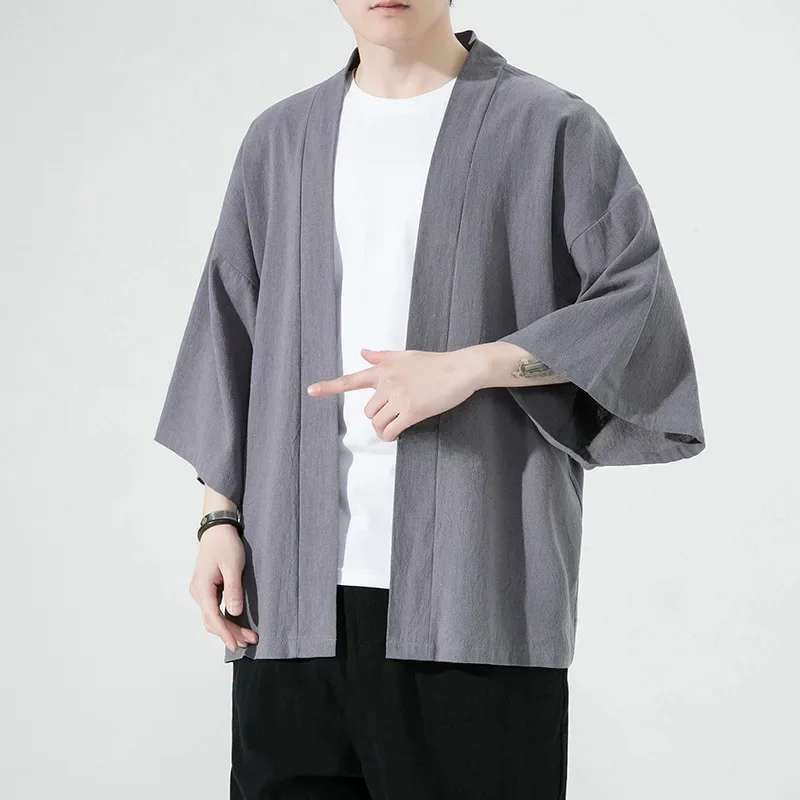
Proper maintenance significantly reduces the need for frequent washing and helps preserve both the appearance and structural integrity of linen garments over time.
Storage Tips
Correct storage plays a major role in fabric preservation:
- Always hang jackets instead of folding to maintain natural drape
- Use breathable garment covers to prevent moisture buildup
- Store in dry, well-ventilated environments to avoid mildew or humidity damage
These practices help retain shape and prevent long-term fabric fatigue.
Wearing Rotation
Linen fibers benefit from rest periods between wears. Repeated consecutive use without recovery can accelerate wear and reduce freshness. Rotating garments allows the fabric to naturally release absorbed moisture and recover its structural balance, improving overall longevity.
Light Care Routine
A consistent maintenance routine reduces the need for full washing cycles:
- Use a steamer instead of frequent washing to refresh appearance
- Lightly brush off dust or surface particles after wear
- Address stains immediately through spot cleaning linen jacket techniques
This approach helps maintain cleanliness while minimizing fiber stress.
Seasonal Care
Linen jackets perform best in warm-weather conditions and are commonly used for:
- Summer outfits
- Spring layering combinations
- Warm-climate smart casual styling
During off-seasons, proper storage becomes essential to prevent moisture damage and fabric deterioration. Jackets should be stored clean, dry, and properly supported to maintain shape until the next wear cycle.
FAQs About Washing Linen Jackets
A quick understanding of common concerns helps prevent mistakes when applying how to wash a linen jacket properly. These answers focus on practical care insights to maintain fabric quality and durability.
Does linen shrink after washing?
Yes, but mainly when exposed to hot water or tumble drying. To avoid shrinkage, always use cold water and let the jacket air dry naturally. Proper care significantly reduces this risk.
Can you iron a linen jacket?
Yes. Use low to medium heat and preferably iron while slightly damp. A steamer is the safest option, helping smooth wrinkles without damaging fibers.
How often should you wash a linen jacket?
Only when necessary. Linen is naturally breathable and does not require frequent washing. In many cases, spot cleaning or steaming is enough to refresh the garment.
Is dry cleaning better?
For structured or tailored linen jackets, yes. Dry cleaning helps maintain shape and finish, especially for blazers or lined designs. Casual linen pieces can often be hand washed safely.
Why does linen get stiff after washing?
Usually due to harsh detergents, over-drying, or poor rinsing. Proper washing with mild detergent and air drying helps maintain natural softness.
Conclusion
At Linoir, we believe that understanding How to Wash a Linen Jacket is not just about cleaning—it’s about preserving craftsmanship, comfort, and timeless style. Linen is a naturally elegant fabric, but it demands gentle care. When you follow the right steps—hand washing when possible, using cold water, avoiding heat damage, and drying naturally—you extend the life of your jacket significantly.
By applying these linen fabric care tips, avoiding common mistakes, and respecting the natural texture of the fabric, your linen jacket will remain soft, breathable, and stylish for years. Ultimately, caring for linen is not complicated—it just requires intention, patience, and the right technique.