At Linoir, we believe travel fashion should never feel heavy—neither in weight nor in mindset. Modern travel is about intentional simplicity, breathable comfort, and adaptable pieces, and that’s exactly where Lightweight Linen Jackets for Travel become essential. In a world where travelers move between airports, tropical beaches, and urban streets in a single journey, a jacket evolves beyond outerwear into a multi-functional travel layer, a style statement, and a practical solution for changing climates.
This shift reflects a broader movement toward capsule wardrobes, minimalist packing, and sustainable fashion. Linen, as a natural fiber, delivers breathability, softness, and an effortless aesthetic that synthetic materials cannot match. In this guide, Linoir explores how to choose the perfect packable linen jacket for travel—covering fabric insights, styling approaches, packing techniques, and real-world outfit ideas—helping you build a smarter, lighter, and more versatile travel wardrobe.
What Makes Lightweight Linen Jackets Perfect for Travel?
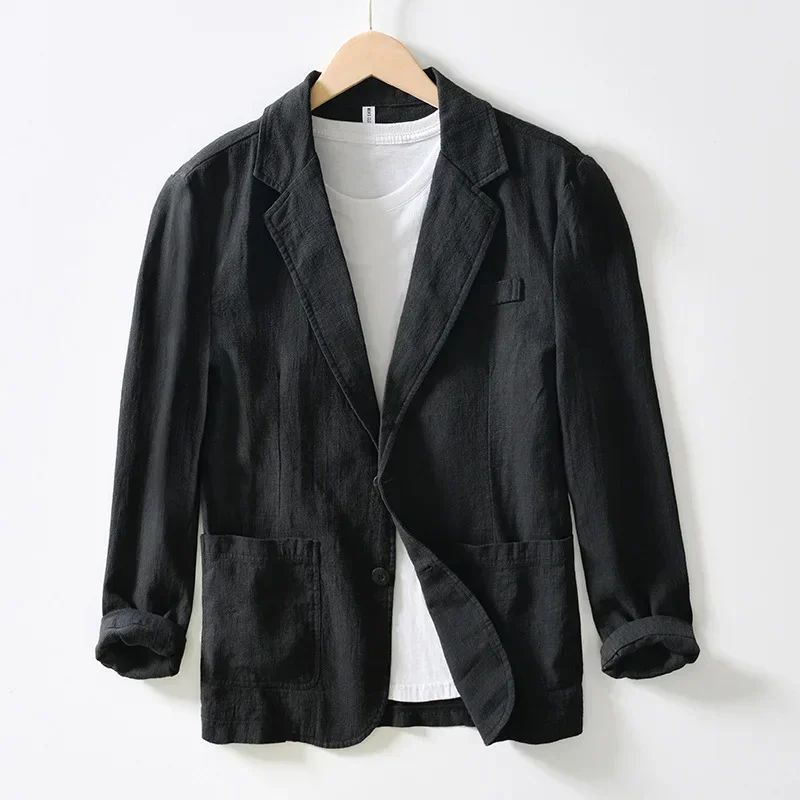
Lightweight linen jackets have become a travel essential because they combine comfort, versatility, and practicality in a way few other outerwear pieces can. Designed for movement and changing environments, they offer breathable protection without adding bulk to your luggage, making them ideal for modern, minimalist travel.
Breathability and Comfort in Warm Climates
One of the strongest advantages of lightweight linen jackets for travel is their unmatched breathability. Linen is derived from flax fibers, which naturally allow air to flow through the fabric. This makes it ideal for:
- Hot and humid destinations
- Summer city travel
- Beach vacations
- Tropical climates
Unlike synthetic outerwear, linen does not trap heat. Instead, it regulates temperature, keeping your body cool even when layered.
This makes it a go-to choice for travelers who prioritize comfort without sacrificing style.
Lightweight Structure for Easy Packing
When traveling, every gram matters. Traditional jackets like denim or thick cotton outerwear can quickly take up valuable suitcase space. In contrast, a packable linen jacket is:
- Ultra-lightweight
- Easy to fold or roll
- Compact enough for carry-on luggage
- Ideal for minimalist packing
This is why linen jackets are widely used in travel-friendly outerwear systems and capsule wardrobes.For frequent flyers, digital nomads, or summer travelers, this weight advantage is a game changer.
Natural Wrinkle Aesthetic (A Signature of Linen)
One of the most misunderstood aspects of linen is its wrinkles. But in travel fashion, wrinkles are not a flaw—they are part of the identity. The slightly crinkled texture of a linen jacket creates:
- A relaxed, effortless aesthetic
- A natural “worn-in” travel look
- A soft, organic visual appeal
Instead of fighting wrinkles, modern travel styling embraces them as part of a minimalist fashion philosophy. At Linoir, we see this as authenticity rather than imperfection.
Key Features of Packable Linen Jackets
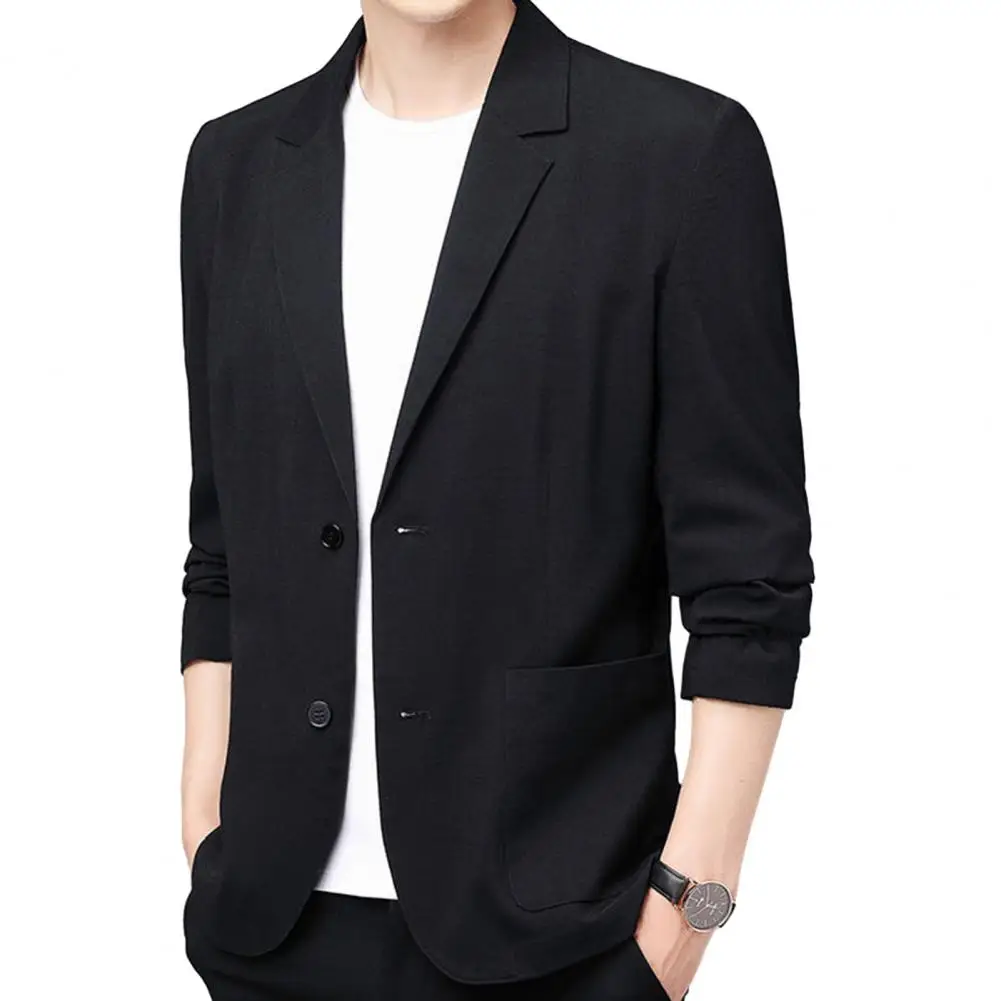
Packable linen jackets stand out in travel fashion not because they try to do everything, but because they are designed with a clear purpose: adaptability without excess. Every detail—from fabric choice to silhouette—directly impacts how well a jacket performs across different travel environments, packing conditions, and styling needs.
Foldable & Carry-On Friendly Design
A truly travel-ready linen jacket is defined by how effortlessly it integrates into a carry-on lifestyle. Packability is not just about saving space—it is about reducing friction in movement.
- Fold flat without creating rigid creases or bulky edges
- Fit naturally into compact spaces such as backpacks or cabin luggage
- Regain its shape quickly after unpacking, without requiring extensive steaming
- Maintain a lightweight structure suitable for layering in different climates
This level of practicality is especially valuable for frequent travelers who prioritize carry-on-only packing systems, where every item must justify its space and function. In this context, the jacket becomes not just an outfit piece, but a space-efficient travel tool.
Lightweight Natural Fabric Construction
Fabric selection is where most linen jackets either succeed or fall short in real-world travel use. High-quality options are typically built around:
- 100% natural linen, valued for maximum airflow, temperature regulation, and long-term durability
- Linen-cotton blends, offering a softer hand feel while maintaining breathability
- Pre-washed linen finishes, which reduce stiffness and improve comfort from the first wear
From a performance perspective, these fabric choices are not random—they directly affect how the jacket behaves during long travel days, repeated folding, and climate transitions.
Another increasingly important factor is sustainability. Linen is naturally biodegradable and requires fewer resources compared to synthetic alternatives. For modern travel wardrobes, this positions linen jackets within the broader category of eco-conscious travel clothing, where longevity and environmental responsibility are equally prioritized.
Versatility Across Travel Situations
A defining characteristic of an effective travel jacket is not how it looks in isolation, but how many contexts it can realistically adapt to. A well-constructed linen jacket transitions smoothly across:
- Airport and transit environments, where comfort and layering matter
- Urban exploration during city walks or sightseeing
- Business casual settings that require a more refined appearance
- Evening scenarios where a lightweight outer layer completes an outfit
- Beach or resort environments as a breathable cover-up
This level of adaptability is what makes linen jackets a foundational piece in minimalist and capsule travel wardrobes. Instead of serving a single purpose, they operate as a multi-scenario layer that reduces the need for multiple outerwear options.
Types of Lightweight Linen Jackets for Travel
Choosing the right silhouette depends less on trend and more on travel behavior, climate, and styling preference. Each design serves a distinct functional role within a travel wardrobe system.
Hooded Linen Jackets
Hooded variations introduce a casual, utility-driven dimension to linen outerwear. The hood is not purely stylistic—it adds functional protection against wind, light rain, or unpredictable weather shifts.
- Coastal or windy destinations
- Transitional weather conditions
- Casual, streetwear-inspired travel outfits
The overall effect is relaxed and practical, aligning well with travelers who prioritize comfort and movement over formal structure.
Linen Blazer-Style Jackets
The blazer-style linen jacket represents the more refined end of travel outerwear. It maintains the natural breathability of linen while introducing a structured silhouette suitable for semi-formal contexts.
- Business travel requiring smart-casual dressing
- Urban travel with a polished aesthetic
- Evening dining or social settings
This type effectively bridges the gap between professional wear and travel comfort, making it one of the most versatile options in a well-curated travel wardrobe.
Oversized Relaxed Fit Linen Jackets
Oversized silhouettes reflect a broader shift in modern travel fashion toward ease and fluidity. Instead of body-constraining structure, they prioritize movement and layering flexibility.
- Comfortable layering over multiple base outfits
- Relaxed visual proportions suitable for long travel days
- Strong alignment with boho and minimalist aesthetics
This style is particularly effective in resort and vacation settings, where comfort and effortless styling take priority over formal structure.
Zip-Up vs Button-Up Designs
Closure style may seem minor, but it significantly influences usability and overall styling direction.
- Zip-up designs tend to feel more functional and dynamic, offering quick wearability and a sport-oriented aesthetic
- Button-up designs lean toward timeless structure, allowing for flexible styling whether worn open or closed
The choice ultimately depends on travel behavior: speed and practicality versus versatility and visual refinement.
How to Pack and Style Lightweight Linen Jackets for Travel?
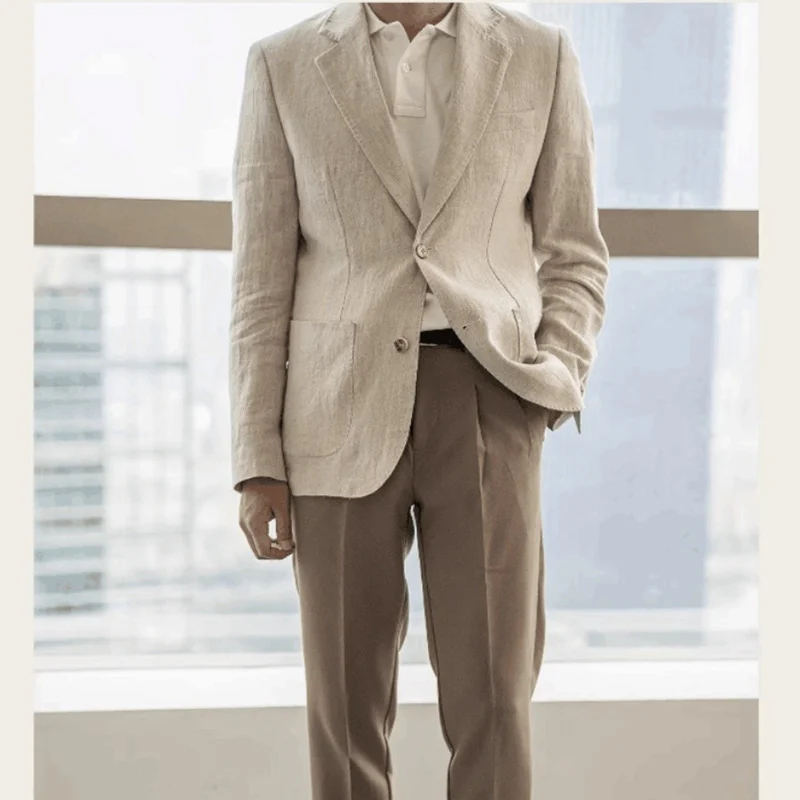
Efficient travel packing and intentional styling are closely connected when it comes to linen outerwear. A well-chosen jacket is only as effective as the way it is packed, maintained, and integrated into real travel outfits. With linen, the goal is not to eliminate its natural characteristics, but to manage them in a way that supports mobility, comfort, and versatility.
How to Pack a Linen Jacket Without Damaging It?
Packing linen correctly is less about strict rules and more about understanding fabric behavior. Linen responds best to relaxed handling techniques that minimize sharp creases while preserving its natural structure. A practical approach includes:
- Laying the jacket flat on a clean surface to avoid uneven folding lines
- Folding sleeves inward along the natural seam to reduce stress on fabric edges
- Folding the jacket vertically into thirds to balance compactness and structure
- Rolling gently rather than compressing tightly, especially for longer trips
Rolling is often preferred by experienced travelers because it reduces deep crease formation and distributes pressure more evenly inside luggage. This method aligns well with carry-on travel systems, where space optimization and garment preservation must coexist.
Using Packing Cubes for Organization
Packing cubes are not simply organizational tools—they function as a system for maintaining garment integrity during transit.
- Separate clean outfit combinations for easy access during travel
- Compress soft fabrics without excessive pressure points
- Maintain a more controlled environment for wrinkle-prone materials like linen
- Improve overall suitcase structure and reduce unnecessary movement
For frequent travelers, this approach supports a more intentional packing philosophy where each item has a defined place and purpose, rather than being loosely stacked within luggage.
Handling Wrinkles on Arrival
Even with optimal packing techniques, linen will naturally develop wrinkles. This is not a defect in construction but an inherent property of the fiber structure. Effective post-arrival methods include:
- Hanging the jacket in a steamy bathroom to allow fibers to relax naturally
- Using a low-heat iron when a more refined finish is required
- Applying a portable travel steamer for quick, on-the-go adjustments
In practical travel contexts, wrinkles should be understood as part of linen’s identity rather than a flaw to be corrected aggressively. The texture contributes to its relaxed, lived-in aesthetic that aligns with modern minimalist travel styling.
How to Style Lightweight Linen Jackets for Travel?
Styling linen jackets in a travel context requires balancing comfort, climate adaptability, and visual coherence. The most effective outfits are those that can transition between environments without requiring full changes.
Airport Outfit Styling
Airport dressing prioritizes long-wear comfort while maintaining a presentable appearance upon arrival. A linen jacket plays a stabilizing role in this balance. A reliable combination includes:
- Lightweight linen jacket as the outer layer
- Breathable cotton t-shirt for base comfort
- Joggers or relaxed trousers for unrestricted movement
- Clean, supportive sneakers for extended walking
This combination creates a structured yet comfortable silhouette suitable for long flights, transit environments, and varying cabin temperatures.
Summer City Travel Looks
Urban travel demands outfits that are adaptable across walking, dining, and light social settings. Linen jackets excel in this environment due to their breathable and neutral aesthetic. Effective styling often includes:
- Neutral-toned linen jacket as the focal layer
- Slim-fit trousers or tailored shorts for proportion balance
- Lightweight sneakers or sandals depending on climate
Earth tones and muted palettes tend to perform best in city environments, as they integrate easily into diverse architectural and cultural settings while maintaining a cohesive travel wardrobe.
Beach & Resort Styling
In resort or coastal environments, linen jackets function less as structured outerwear and more as transitional layering pieces. Common styling approaches include:
- Wearing an open linen jacket over swimwear for effortless coverage
- Pairing with linen shorts for a cohesive natural-fabric look
- Using loose sandals to maintain a relaxed vacation aesthetic
This styling direction emphasizes ease and flow rather than structure, aligning with the visual language of resort wear and leisure-focused travel.
Capsule Wardrobe Approach
A well-designed linen jacket often becomes a core anchor piece within a capsule travel wardrobe. Its value lies in repetition without visual fatigue. A single jacket can support:
- Daytime exploration outfits
- Evening casual transitions
- Transit and travel-day combinations
This adaptability reduces the need for multiple outerwear pieces, reinforcing a more intentional and streamlined packing philosophy centered on versatile travel essentials.
Best Colors for Travel-Friendly Linen Jackets
Color selection plays a strategic role in how a linen jacket performs across different travel scenarios. The goal is not trend alignment, but functional compatibility.
Neutral Tones
Neutral shades such as beige, white, and sand remain foundational choices in travel wardrobes. They offer:
- High outfit compatibility across multiple color palettes
- A clean, timeless visual identity
- Strong alignment with capsule wardrobe systems
These tones are especially effective for travelers aiming for a minimalist aesthetic.
Earth Tones
Earth-inspired colors such as olive, brown, and khaki introduce a grounded, natural visual style. They are particularly effective in outdoor and transitional travel environments where subtle blending with surroundings enhances overall outfit harmony.
Darker Shades
Darker tones such as navy, charcoal, and deep green offer a more structured and urban-ready appearance. In addition to aesthetic versatility, they also provide practical benefits such as improved stain resistance during extended travel periods.
Common Mistakes to Avoid
Experience in travel styling often reveals that issues with linen jackets are less about the garment itself and more about selection and usage mistakes.
- Choosing overly thick linen that reduces breathability in warm climates
- Ignoring proportional fit, resulting in either restrictive or overly bulky silhouettes
- Expecting synthetic-level wrinkle resistance from a natural fiber
- Overpacking multiple jackets instead of investing in one highly versatile piece
Avoiding these mistakes ensures that linen jackets function as intended: lightweight, adaptable, and travel-efficient outerwear designed for real-world mobility rather than static presentation.
How to Choose the Best Lightweight Linen Jacket for Travel?
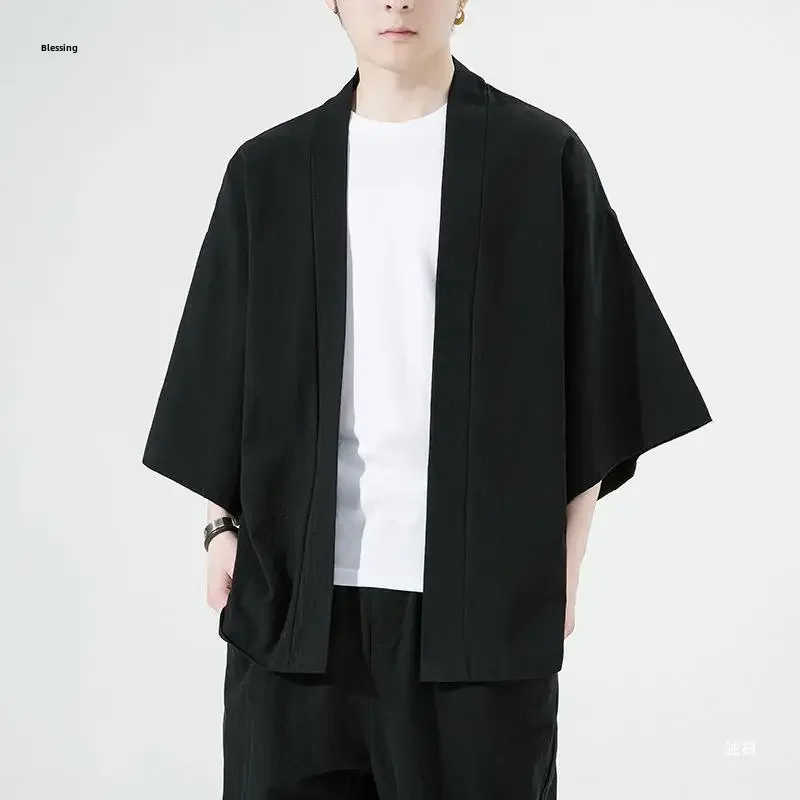
Selecting a high-quality linen jacket for travel is less about surface design and more about understanding how fabric, fit, and functionality interact in real-world use. A well-informed choice ensures the jacket performs consistently across different climates, packing conditions, and styling scenarios, rather than serving a single-purpose role.
Check Fabric Composition
Fabric composition is the foundation of performance. In travel wear, small differences in material construction significantly impact comfort, durability, and maintenance.
- 100% linen delivers maximum breathability and natural temperature regulation, making it ideal for hot and humid destinations where airflow is essential
- Linen blends (such as linen-cotton) introduce a softer hand feel and slightly improved wrinkle control, which can be beneficial for frequent transit use
From an experienced perspective, the choice is not about which is objectively better, but which aligns with travel conditions and personal comfort expectations. Pure linen leans toward authenticity and climate responsiveness, while blends offer a more structured, low-maintenance experience.
Focus on Fit
Fit determines not only appearance but also how the jacket behaves during movement and layering.
- A relaxed fit supports comfort-focused travel, allowing airflow and easy layering over multiple base pieces without restriction
- A tailored fit is more suitable for city travel or business environments where structure and visual sharpness are prioritized
In practical travel scenarios, fit also affects how the jacket handles prolonged wear during transit, temperature shifts, and repeated outfit transitions. The right fit should feel adaptable rather than restrictive in changing environments.
Prioritize Packability
Packability is a defining requirement for any travel-oriented outerwear. A jacket that performs well aesthetically but fails in packing efficiency loses functional value in real travel use. A well-designed lightweight linen jacket should:
- Compress easily without creating permanent creases
- Maintain shape integrity after being unpacked from confined luggage spaces
- Avoid unnecessary bulk that limits suitcase flexibility
From a systems perspective, packability directly influences how often a jacket will be chosen in real travel situations. The more effortless it is to pack, the more consistently it becomes part of a travel rotation.
Ensure Versatility
Versatility is the most critical long-term value indicator of a travel jacket. A single garment must justify its presence across multiple contexts. A practical evaluation method is simple: Can the jacket function effectively in at least three distinct outfit scenarios?
For example:
- Daytime exploration outfit
- Transit or airport layering piece
- Evening casual or smart-casual setting
If the answer is yes, the jacket qualifies as a true travel essential rather than a situational garment. This principle aligns closely with capsule wardrobe logic, where each piece must serve multiple roles without redundancy.
Care Guide for Linen Travel Jackets
Proper maintenance ensures that a linen jacket retains both its structural integrity and natural softness over time. Linen is durable when treated correctly, but it responds best to gentle, consistent care rather than aggressive cleaning methods.
- Washing in cold water to preserve fiber strength and prevent shrinkage
- Using a gentle cycle to minimize mechanical stress on natural fibers
- Avoiding harsh detergents that can weaken texture and reduce softness
- Air drying naturally to maintain fabric shape and prevent heat damage
- Storing either folded loosely or hung without compression to preserve structure
From a long-term usage perspective, these habits significantly extend garment lifespan while maintaining the signature softness and breathability that make linen ideal for travel. Proper care transforms the jacket from a seasonal item into a reliable, long-term travel companion.
Conclusion
At Linoir, we see travel as a lifestyle of intentional simplicity, where Lightweight Linen Jackets for Travel go beyond clothing to represent freedom—freedom from heavy luggage, overcomplicated outfits, and discomfort across changing climates. Whether you choose a hooded, blazer-style, or oversized fit, the essence remains the same: lightweight, breathable, and packable outerwear that moves effortlessly with your journey. In the end, the best travel jacket isn’t the one that does everything, but the one that does exactly what you need without getting in your way—and that is what linen was always meant to be.