At Linoir, we believe clothing should feel natural—breathable, lightweight, and easy to wear every day. That’s why Hooded Linen Jackets have become such an essential part of modern wardrobes, offering a clean balance of comfort, function, and effortless style. A linen hooded jacket isn’t just outerwear—it’s a practical layer made for real life, from warm climates to travel and transitional weather. It combines lightweight comfort, breathable fabric, and minimalist design, making it a versatile piece for everyday use.
This guide explores everything about Hooded Linen Jackets — Lightweight & Functional, including fabric choices, styling ideas, and how to build a timeless, easy-to-wear wardrobe around them.
What Is a Hooded Linen Jacket?
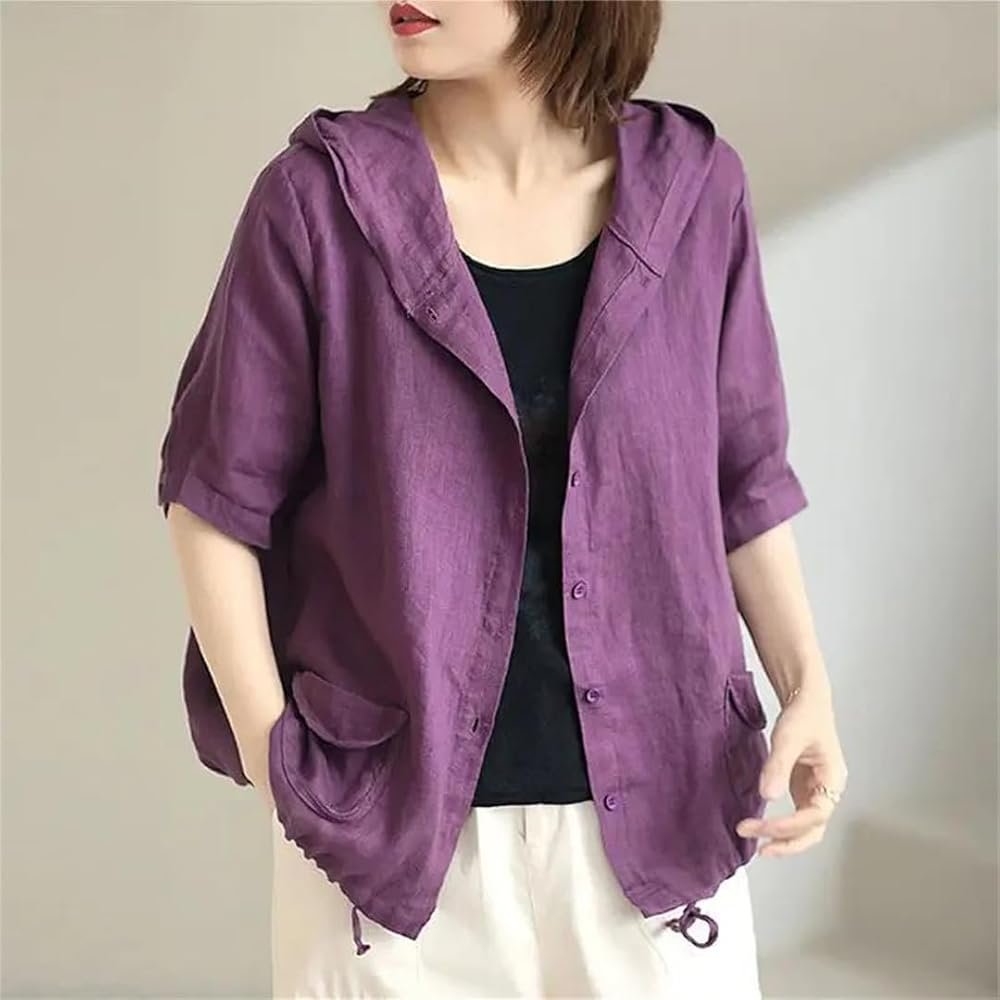
A hooded linen jacket is a lightweight, breathable outerwear piece made from linen or linen blends, designed with a hood for extra casual comfort. It’s ideal for layering in mild weather and gives a relaxed, natural style.
A Natural Evolution of Modern Outerwear
A hooded linen jacket is exactly what it sounds like: a lightweight jacket made primarily from linen (or linen blends), designed with a hood for added casual functionality. Unlike synthetic jackets, which often prioritize weather resistance over comfort, linen jackets prioritize breathability, softness, and natural movement.
- Lightweight structure
- Breathable natural fiber fabric
- Relaxed or minimalist silhouette
- Hooded design for casual versatility
- Soft, slightly textured surface
This combination makes the linen jacket with hood one of the most adaptable pieces in modern fashion.
Why Linen Works So Well for Jackets?
Linen is derived from flax fibers, making it one of the oldest and most sustainable fabrics in the world. But its relevance today is stronger than ever. Here’s why linen is ideal for jackets:
- Breathability: Linen allows air to flow freely, making it perfect for hot weather hooded jackets and humid climates.
- Moisture Control: It absorbs moisture without feeling heavy, keeping the body cool and dry.
- Natural Texture: Unlike synthetic fabrics, linen develops a lived-in softness over time.
- Eco-Friendly Appeal: Modern consumers increasingly prefer organic linen outerwear and sustainable fashion choices.
Key Benefits of Hooded Linen Jackets
Key benefits of hooded linen jackets include their lightweight feel, excellent breathability, and natural comfort, making them ideal for warm or transitional weather. They’re easy to layer, stylish in a minimalist way, and offer a relaxed, effortless look for everyday wear.
Lightweight Comfort for Everyday Wear
One of the biggest advantages of lightweight linen hooded jackets is how effortless they feel. You don’t wear them—you forget you’re wearing them. They are ideal for:
- Daily commuting
- Casual walks
- Indoor-to-outdoor transitions
- Long travel days
The fabric never feels restrictive, making it a true everyday lightweight jacket.
Breathability in Warm and Humid Weather
In tropical or summer-heavy climates, heavy outerwear is impractical. Linen solves this. A breathable summer outerwear piece like a hooded linen jacket prevents overheating, making it perfect for:
- Southeast Asian climates
- Mediterranean summers
- Coastal vacations
This is why summer hooded jackets linen have become a wardrobe essential.
Functional Yet Minimal Design
Modern fashion increasingly values functionality without overdesign. Hooded linen jackets fit this perfectly. They combine:
- Hood protection for wind or light sun
- Easy layering capability
- Minimalist aesthetic
- Natural drape and structure
This makes them ideal smart casual linen outerwear pieces.
Travel-Friendly and Packable
For travelers, linen jackets are a game-changer. They are:
- Easy to fold and pack
- Lightweight for luggage efficiency
- Suitable for changing temperatures
This is why many consider them a travel essential linen jacket.
Different Types of Hooded Linen Jackets
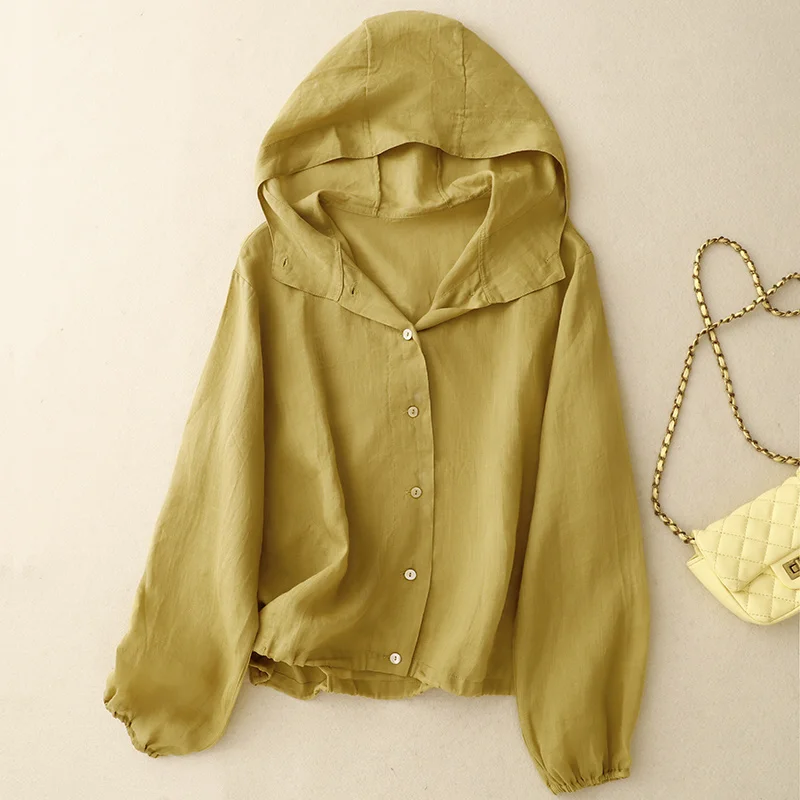
Hooded linen jackets come in several variations, each serving a different styling purpose and level of structure.
Oversized Hooded Linen Jackets
Oversized designs are widely favored in modern streetwear and relaxed fashion due to their effortless silhouette.
- Loose, relaxed fit for comfort
- Dropped shoulder construction for a laid-back look
- Easy layering over basic or structured pieces
Best suited for:
- Streetwear-inspired outfits
- Casual everyday layering
- Minimalist wardrobes that prioritize comfort and flow
Slim-Fit Linen Hooded Jackets
Slim-fit versions offer a more tailored interpretation of the linen hooded jacket, focusing on clean lines and subtle structure.
- More defined silhouette
- Neat shoulder and waist alignment
- Balanced between casual and refined styling
Best suited for:
- Smart casual outfits
- Office-friendly casual dress codes
- Minimalist, polished aesthetics
Linen Blend Hooded Jackets
Linen blend variations combine linen with fabrics like cotton or viscose to enhance practicality and durability.
- Improved fabric strength and longevity
- Reduced wrinkling compared to pure linen
- Better structure while maintaining breathability
Best suited for:
- Daily wear with higher durability needs
- Urban commuting outfits
- Versatile year-round styling
Lightweight Summer Hooded Jackets
These are designed with maximum breathability in mind, focusing on comfort in hot or humid conditions.
- Ultra-light construction
- High airflow for temperature control
- Minimal layering weight
Best suited for:
- Beach and resort outfits
- Hot-weather daily wear
- Travel in tropical climates
How to Style Hooded Linen Jackets?
Styling a hooded linen jacket is mainly about balancing its natural texture with the right level of simplicity in the outfit. A few practical approaches make it easy to adapt across different settings.
Casual Everyday Outfits
A basic combination often delivers the most natural result when working with linen. Typical pairing:
- T-shirt or tank top
- Jeans or relaxed trousers
- Sneakers or sandals
This approach reflects a clean, understated aesthetic built around comfort and ease.
Smart Casual Styling
A more refined direction can be achieved by introducing structured elements into the outfit. Typical pairing:
- Chinos or tailored trousers
- Neutral tones such as beige, white, or olive
- Loafers or minimalist sneakers
The result is a balanced look that sits between relaxed and polished.
Summer and Beach Looks
In warm-weather settings, the jacket functions more as a light layering piece than a core structure. Typical pairing:
- Shorts with simple tops
- Open-front styling for airflow
- Sandals or slip-on footwear
This creates a relaxed seasonal aesthetic suitable for coastal environments.
Travel Outfit Ideas
Linen hooded jackets are often chosen for travel due to their adaptability across changing conditions. Typical use cases:
- Airport layering outfits
- Temperature fluctuation during transit
- Long-duration comfort wear
Packability and lightness make it a practical outer layer for movement-heavy days.
A hooded linen jacket remains a versatile piece that adapts across style directions, climates, and daily contexts without losing its core identity of comfort and simplicity.
Best Fabrics and Materials to Look For
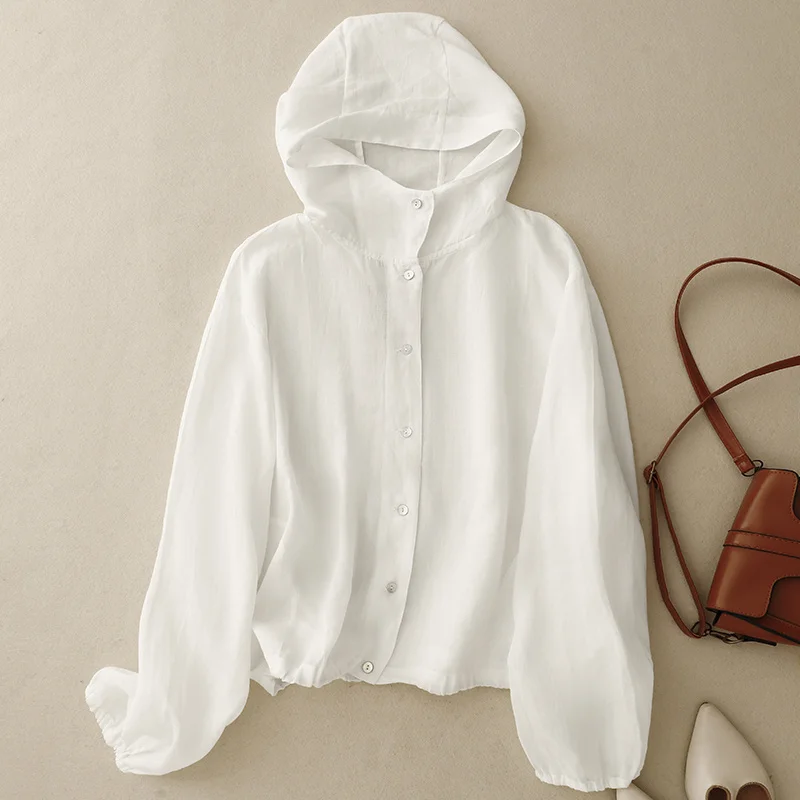
Choosing the right fabric is what determines whether a hooded linen jacket feels premium, lasts multiple seasons, or becomes uncomfortable after a few wears. In practice, material selection matters more than design details.
100% Linen vs Linen Blends
Each fabric type creates a very different wearing experience, especially in terms of texture, structure, and maintenance.
- 100% linen: delivers maximum breathability and a naturally airy feel. The fibers allow strong airflow, making it ideal for hot climates. The trade-off is visible wrinkling, which is part of its natural aesthetic rather than a flaw.
- linen blends: typically combine linen with cotton, rayon, or viscose. This improves structure, reduces wrinkling, and makes the jacket easier to maintain in daily use. It also slightly increases softness and durability over time.
In real-world use, 100% linen is often chosen for aesthetic purity, while blends are preferred for practicality and everyday wear.
Eco-Friendly Linen Options
Sustainability has become a defining factor in modern outerwear production, especially for natural fabrics like linen, which already has a lower environmental footprint compared to synthetics.
Key sustainability advantages:
- Linen is derived from flax, which requires less water than cotton
- Organic linen avoids synthetic pesticides and harsh chemical treatments
- Biodegradable nature supports long-term environmental balance
- Ethical production often aligns with small-batch or responsible manufacturing
Eco-conscious buyers typically prioritize certified organic linen or transparent supply chains to ensure both quality and responsibility.
Fabric Weight and Texture
Beyond fiber composition, fabric weight determines how the jacket behaves in different climates.
- Lightweight linen (low GSM): extremely breathable, soft drape, best for summer or tropical conditions
- Medium-weight linen: more structure, better shape retention, suitable for spring and early autumn
- Heavier linen blends: rare in hooded jackets but provide wind resistance and improved durability
Texture also varies based on weaving density—looser weaves feel more relaxed, while tighter weaves appear more refined and structured.
Seasonal Guide — When to Wear Hooded Linen Jackets
A hooded linen jacket is not limited to one season; its value comes from adaptability. The same piece can shift roles depending on layering and temperature.
Spring Layering
Spring is the most balanced season for linen jackets due to moderate temperatures and changing weather patterns. Practical styling approach:
- Layer over lightweight knits, shirts, or long-sleeve tees
- Keep the jacket open to regulate temperature
- Pair with breathable trousers for airflow balance
This season highlights linen’s ability to transition between cool mornings and warmer afternoons without discomfort.
Summer Evenings
In summer, the jacket functions more as a protective outer layer rather than insulation. Typical real-use scenarios:
- Coastal or beach environments with evening winds
- Air-conditioned indoor spaces such as malls or transport
- Outdoor dinners or travel situations where temperature drops slightly
The key advantage here is breathability—comfort is maintained without trapping heat.
Early Autumn Transition
Early autumn introduces mild cooling, making linen a strategic layering option. Common applications:
- Replacement for heavier denim or cotton jackets
- Light outer layer for daily commuting
- Easy temperature adjustment during unpredictable weather shifts
At this stage, linen blends often perform better due to improved structure and warmth balance.
How to Choose the Best Hooded Linen Jacket?
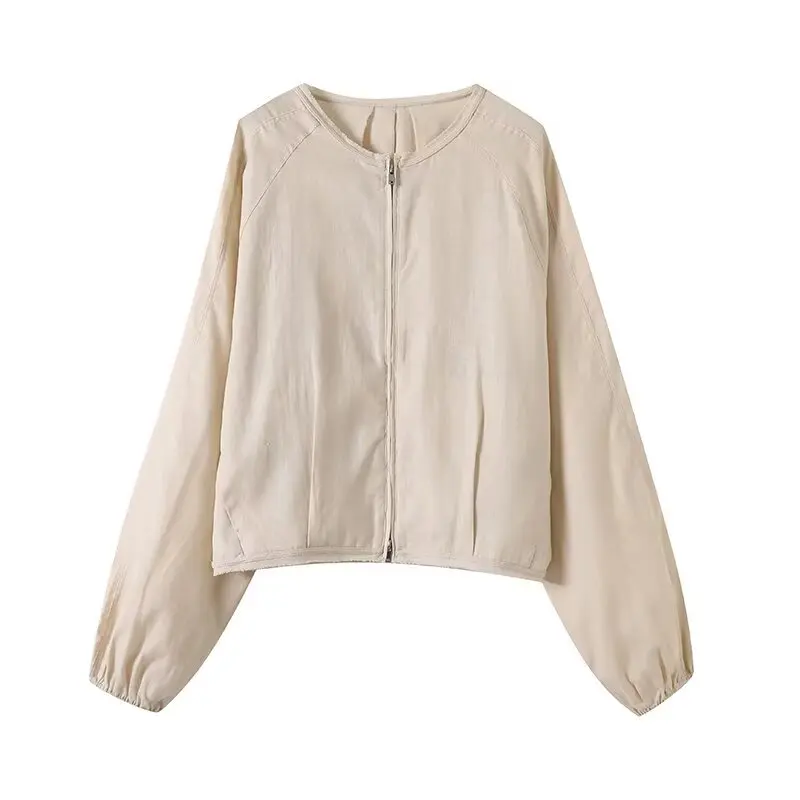
Selection should be based on long-term usability rather than short-term style appeal. A well-chosen jacket integrates seamlessly into multiple outfits.
Fit Matters
Fit defines the overall silhouette and determines styling direction.
- Oversized fit: Focuses on relaxed proportions, streetwear influence, and layering flexibility. Works best with minimal base layers to avoid bulkiness.
- Regular fit: The most versatile option, balancing structure and comfort. Suitable for daily wear across casual and semi-casual settings.
- Slim fit: Emphasizes cleaner lines and a more tailored look. Works well in smart casual or minimal wardrobes where sharpness is preferred.
Color Selection
Color plays a major role in versatility and outfit coordination. Highly functional tones include:
- Beige: natural linen identity, highly versatile
- White: clean, summer-focused aesthetic
- Olive: earthy tone, works well with neutral palettes
- Soft grey: modern and understated, suitable for urban styling
Neutral shades extend wardrobe compatibility and reduce styling limitations.
Functional Features
Beyond aesthetics, practical construction details significantly impact daily usability. Important features to evaluate:
- Deep pockets: essential for functionality without disrupting silhouette
- Adjustable hood: improves protection and fit control in varying weather
- Closure system: lightweight zippers or buttons that don’t add unnecessary bulk
- Ventilation design: subtle airflow support in higher-quality pieces
Durability
Long-term performance depends on construction quality rather than fabric type alone. Key durability indicators:
- Reinforced stitching at stress points (shoulders, pockets, cuffs)
- Consistent fabric density without thin weak zones
- Balanced linen blend ratio to prevent premature stretching
- Quality finishing on seams to avoid fraying over time
A well-constructed hooded linen jacket maintains its shape, texture, and usability across multiple seasons with minimal degradation.
A hooded linen jacket performs best when material quality, seasonal adaptability, and construction details are carefully balanced, ensuring both comfort and long-term wardrobe value rather than short-lived trend appeal.
Common Styling Mistakes to Avoid
Even a well-designed hooded linen jacket can lose its visual balance and comfort value if styled incorrectly. Most issues come from misunderstanding the fabric’s natural behavior and seasonal function.
- Over-layering with heavy fabrics: linen is inherently lightweight, so pairing it with thick knits or bulky outerwear disrupts its natural drape and creates unnecessary heat retention
- Choosing overly thick linen for hot weather: heavier GSM linen reduces airflow, which defeats the purpose of a breathable summer jacket
- Ignoring natural wrinkles: linen is designed to crease; treating wrinkles as flaws leads to unnecessary over-ironing and loss of texture identity
- Wearing overly tight fits: restrictive cuts limit airflow and reduce the relaxed comfort that defines linen outerwear
In practice, linen performs best when its natural structure is respected rather than controlled.
Care Guide for Hooded Linen Jackets
Proper maintenance directly affects how long a linen jacket retains its shape, softness, and breathable performance. Unlike synthetic fabrics, linen responds best to gentle handling.
Washing
Correct washing methods help preserve fiber integrity over time.
- Wash in cold water to prevent fiber shrinkage
- Use a gentle cycle to reduce mechanical stress
- Avoid harsh detergents that weaken natural fibers and fade color
Drying
Heat exposure is one of the main causes of linen degradation.
- Always air dry to maintain fabric structure
- Avoid tumble dryers or high heat settings
- Reshape while damp to preserve silhouette
Storage
Storage conditions influence long-term fabric health more than usage frequency.
- Use breathable garment bags instead of plastic covers
- Store in cool, dry environments
- Avoid prolonged exposure to humidity to prevent fiber weakening
Proper care ensures consistent lightweight performance and extends garment lifespan significantly.
Hooded Linen Jackets for a Capsule Wardrobe
Within a minimalist wardrobe system, a hooded linen jacket functions as a highly adaptable anchor piece due to its neutrality and layering flexibility. Its value in a capsule wardrobe comes from three core factors:
- Works across multiple outfit categories without styling conflict
- Reduces reliance on heavier seasonal outerwear
- Aligns with neutral color systems and simplified wardrobe structures
When integrated correctly, it becomes a core capsule wardrobe outer layer that supports both casual and refined combinations without redundancy.
FAQs About Hooded Linen Jackets
A set of practical considerations often arises when evaluating linen outerwear in real-world use.
Are hooded linen jackets good for summer?
Yes. Linen’s natural breathability and moisture control make it highly suitable for hot and humid climates, especially in lightweight constructions.
Do linen jackets wrinkle easily?
Yes. Wrinkling is a natural property of linen fibers rather than a defect. It contributes to the fabric’s relaxed and organic aesthetic.
Can you wear linen jackets in formal settings?
Only in relaxed smart casual environments. Linen lacks the rigidity required for strict formal dress codes but performs well in modern business-casual styling.
Are hooded linen jackets worth it?
Yes. Their combination of breathability, versatility, and seasonal adaptability makes them a long-term functional outerwear investment rather than a trend-based item.
Conclusion
At Linoir, we see fashion moving toward simplicity, functionality, and natural comfort, and that is exactly where Hooded Linen Jackets stand out as a modern essential. They are no longer just seasonal pieces—they are everyday lightweight jackets built for real life, whether it’s travel, work, or leisure. With their breathable structure, minimalist aesthetic, and versatile styling options, they represent the future of effortless dressing.
Whether you’re building a capsule wardrobe or looking for a reliable outer layer, the hooded linen jacket remains one of the most practical and timeless choices you can make—aligned with the idea that modern fashion should be simple, functional, and naturally refined.