Linen jackets have always held a special place in summer wardrobes, offering a unique blend of style, comfort, and breathability. But when it comes to choosing between 100% linen jackets and linen blends, things can get a little tricky. Each type of jacket has its own set of advantages and drawbacks, and the decision ultimately depends on your lifestyle, fashion preferences, and maintenance habits. As Linoir, I’ve spent years exploring the world of linen, from pure linen fabrics to modern linen blends, and I’m here to guide you through every detail so you can make an informed choice.
In this ultimate guide, we’ll break down the differences, benefits, and styling tips of linen jackets vs linen blends, explore how to care for them, and help you decide which jacket is best suited for your summer wardrobe or year-round use. Whether you’re looking for a breathable, lightweight jacket for hot weather, or a durable, wrinkle-resistant option, this guide has you covered.
What Are 100% Linen Jackets?
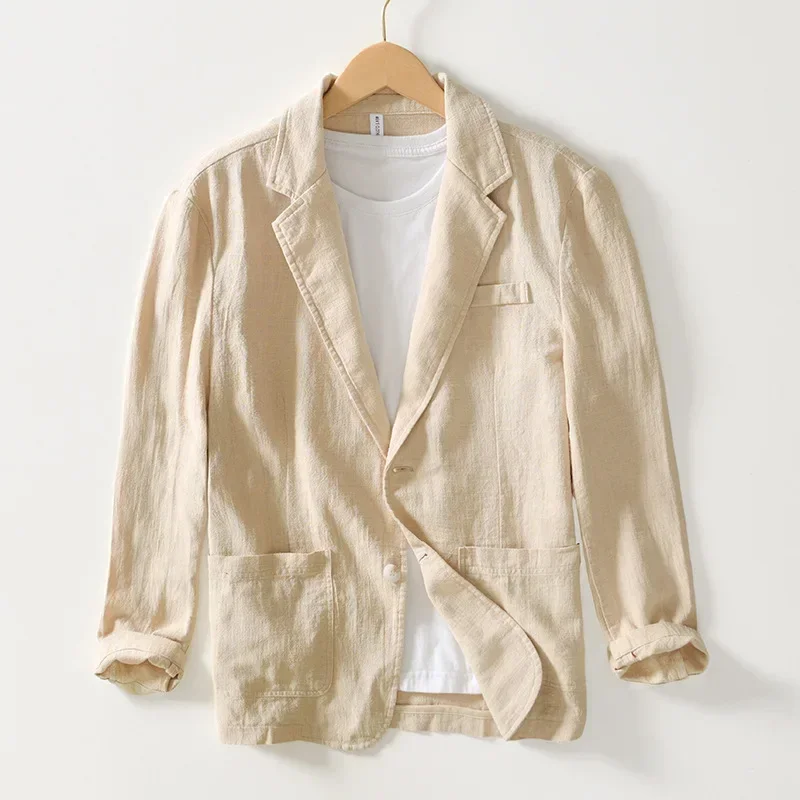
Understanding the essence of pure linen jackets is crucial for choosing the right summer outerwear. These jackets are more than just a seasonal trend—they are a timeless blend of comfort, style, and functionality.
Definition and Composition
100% linen jackets are crafted entirely from natural linen fibers, which are extracted from the flax plant. This fabric is renowned for its breathability, lightweight structure, and eco-conscious attributes, making it an ideal choice for warm climates. Unlike blended materials, pure linen maintains a crisp, slightly textured appearance while allowing maximum air circulation. This natural airflow not only enhances comfort in high temperatures but also ensures that the jacket drapes elegantly over the body without feeling heavy or restrictive.
Characteristics of 100% Linen Jackets
Breathable and Lightweight: Linen’s open weave structure allows heat to escape and air to flow freely, keeping the wearer cool and comfortable even during the hottest days.
Soft Texture: With each wash, linen naturally softens, creating a luxurious yet casual feel against the skin that improves with time.
Wrinkle-Prone: One of linen’s signature features is its tendency to wrinkle. While some may see this as a downside, it adds character and a relaxed authenticity that is difficult to replicate with synthetic fabrics.
Eco-Friendly: Linen is fully biodegradable, requires minimal pesticides during cultivation, and is a sustainable choice for environmentally conscious wardrobes.
Pros & Cons of 100% Linen Jackets
Pros:
- Exceptional breathability, making it ideal for hot weather.
- Lightweight design that ensures ease of movement and comfort.
- Distinctive natural texture that develops character over time.
- Sustainable and eco-conscious, supporting environmentally friendly fashion choices.
Cons:
- Naturally wrinkle-prone, which may not suit formal settings.
- Less durable than blended alternatives; may show wear sooner.
- Requires careful washing and maintenance to preserve shape and texture.
Ideal Uses
100% linen jackets are particularly suited for:
- Summer outings where comfort and airflow are priorities.
- Casual or relaxed office settings that welcome a smart-casual aesthetic.
- Layering over light tops or t-shirts for effortless style.
- Vacation or resort wardrobes, providing cooling comfort without compromising style.
100% linen jackets combine timeless elegance, natural comfort, and summer-ready practicality. They are best appreciated in situations where breathability and a relaxed aesthetic are valued, offering a blend of style and sustainability that is hard to match.
What Are Linen Blend Jackets?
Linen blend jackets offer a versatile alternative to pure linen, combining the natural elegance of linen with the practicality of other fibers. They are designed to balance style, durability, and ease of care, making them suitable for both casual and professional settings.
Definition and Composition
Linen blend jackets are made by combining linen fibers with other materials such as cotton, polyester, or rayon. The blending process enhances the fabric’s durability, improves its resistance to wrinkles, and can modify the texture to be softer, smoother, or slightly heavier than pure linen. This combination allows wearers to enjoy the natural look and feel of linen while benefiting from practical enhancements that suit daily wear or more structured styles.
Characteristics of Linen Blend Jackets
Wrinkle-Resistant: Blended fibers help maintain a neat, polished appearance throughout the day, reducing the natural creasing seen in 100% linen.
Durable: Added fibers enhance strength and longevity, making these jackets ideal for everyday wear or frequent travel.
Soft or Structured Texture: Depending on the blend ratio, the fabric can feel softer for comfort or have more structure for a tailored silhouette.
Breathability: While still comfortable, blends are generally less breathable than pure linen, making them more suitable for moderate climates or layered outfits.
Pros & Cons of Linen Blend Jackets
Pros
- Durable and long-lasting, able to withstand frequent wear.
- Easy maintenance, often machine washable without significant shrinkage or loss of shape.
- Wrinkle-resistant, ideal for professional settings or travel.
- Versatile styling, can be dressed up formally or paired casually without worrying about constant ironing.
Cons
- Slightly less breathable than 100% linen, potentially less ideal for very hot climates.
- Can lose some of the natural texture and relaxed charm associated with pure linen.
Ideal Uses
Linen blend jackets are perfect for:
- Office wear or business casual outfits, where neatness and polish are important.
- Travel, offering low-maintenance convenience while retaining style.
- Layered looks for spring or fall, providing structure without bulk.
- Everyday wear, balancing aesthetic appeal with practical durability.
Linen blend jackets offer a practical yet stylish alternative to pure linen. They retain the natural elegance of linen while addressing some of its limitations, such as wrinkling and fragility, making them an excellent choice for versatile, year-round wear.
Linen Jackets vs Linen Blends — Key Differences
Understanding the differences between 100% linen jackets and linen blends is essential for making an informed wardrobe choice. Each fabric type offers distinct advantages and trade-offs in comfort, style, and maintenance, which can influence how and where the jacket is worn.
| Feature | 100% Linen Jackets | Linen Blends |
|---|---|---|
| Fabric Composition | Made entirely from pure flax fibers, offering natural texture and breathability. | Linen combined with cotton, polyester, or rayon, designed to enhance durability and structure. |
| Breathability & Comfort | Excellent airflow; extremely lightweight and airy, ideal for hot weather and casual wear. | Good comfort; slightly less breathable than pure linen but more versatile for layered outfits. |
| Wrinkle Resistance | Low; natural wrinkles create a relaxed, authentic aesthetic. | High; maintains a polished, neat appearance throughout the day. |
| Durability | Moderate; natural fibers are prone to wear and require careful handling. | High; blended fibers increase longevity, suitable for frequent wear and travel. |
| Style & Appearance | Relaxed, natural texture that develops character over time. | Structured and neat finish; offers a more formal or tailored look. |
| Maintenance | Requires hand washing or gentle care; ironing recommended to maintain appearance. | Easy-care; often machine washable and low-maintenance, ideal for busy lifestyles. |
| Price | Higher; premium natural fabric with authentic texture and charm. | Moderate; affordable alternative providing durability and versatility. |
Takeaway: For those prioritizing maximum breathability and lightweight comfort, 100% linen jackets are unmatched. Conversely, linen blends are the preferred choice when durability, low-maintenance, and a structured appearance are more important, offering a versatile solution suitable for daily wear, professional settings, and travel.
How to Choose the Right Linen Jacket for You?
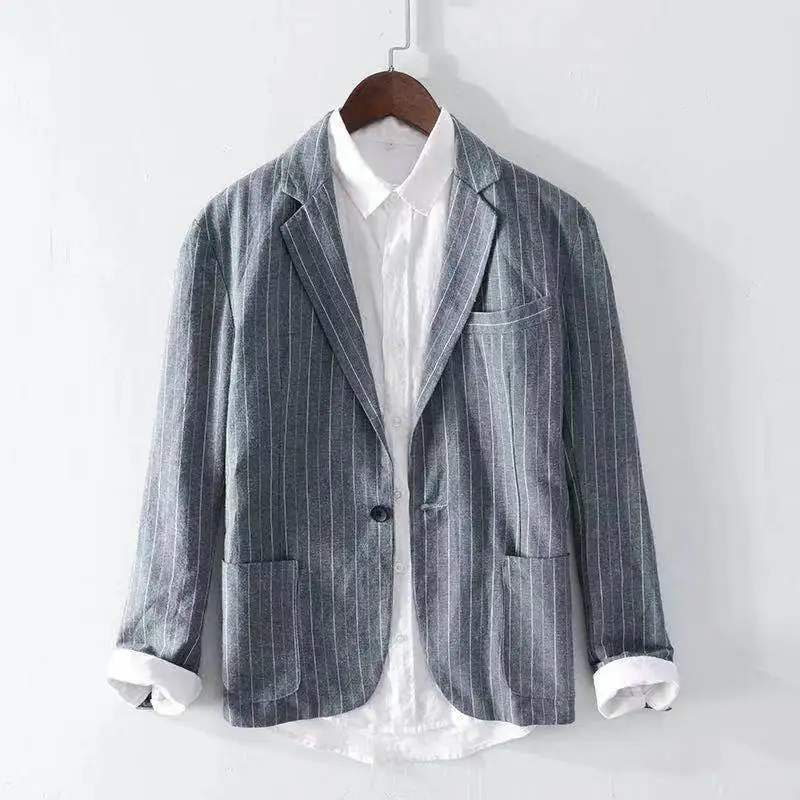
Selecting the ideal linen jacket involves evaluating factors such as climate, intended use, maintenance preferences, and budget. Understanding these aspects ensures a jacket that balances comfort, style, and practicality.
Consider the Climate
The climate plays a pivotal role in determining the most suitable fabric:
- Hot summer climates: 100% linen jackets are ideal due to their exceptional breathability and lightweight feel. The natural fibers allow air to circulate freely, keeping the wearer cool during peak temperatures.
- Mild spring or fall: Linen blends provide added warmth and structure without compromising comfort. The combination of fibers ensures that the jacket retains its shape while offering slightly better insulation than pure linen.
Usage and Occasion
The intended use and setting influence the choice of fabric:
- Casual outings and vacations: 100% linen jackets offer airy comfort and relaxed style, perfect for leisure activities or resort wear.
- Office or travel: Linen blends provide a polished appearance with low-maintenance qualities, making them suitable for professional environments or long trips where wrinkle resistance is important.
Maintenance Preferences
Maintenance considerations often dictate fabric selection:
- Those who appreciate natural wrinkles and a relaxed, authentic aesthetic may prefer 100% linen, embracing its casual charm.
- Individuals seeking easy-care garments will benefit from linen blends, which are generally machine washable, wrinkle-resistant, and retain a neat appearance with minimal effort.
Budget Considerations
Budget is a practical factor in the decision-making process:
- 100% linen jackets tend to be more expensive, reflecting the premium quality of natural fibers and their distinctive texture.
- Linen blends offer a more affordable alternative without sacrificing versatility or style, providing a durable option suitable for everyday wear.
Choosing between 100% linen and linen blends requires careful consideration of climate, intended use, maintenance expectations, and budget. By evaluating these factors, a jacket can be selected that optimizes both comfort and style for any occasion.
Styling Tips for Linen Jackets
Proper styling can elevate any linen jacket, whether 100% linen or a blend. Understanding layering techniques, color coordination, and accessory pairing ensures both comfort and a polished appearance.
Layering 100% Linen Jackets
100% linen jackets excel in casual and relaxed settings due to their breathability and lightweight structure:
- Casual summer outfits: Layer over t-shirts, tank tops, or lightweight blouses for an effortless, airy look.
- Chic, relaxed ensembles: Pair with lightweight trousers, linen skirts, or tailored shorts for an elegant yet comfortable appearance.
- Vacation-ready styling: Incorporate accessories such as straw hats, sunglasses, or woven bags to enhance a summer-ready aesthetic while maintaining comfort.
- Footwear coordination: Opt for loafers, espadrilles, or sandals to complement the relaxed charm of pure linen jackets.
Pairing Linen Blends for Office and Travel
Linen blends are ideal for settings where a polished, structured look is preferred:
- Business casual outfits: Combine with dress shirts, tailored trousers, or pencil skirts for a professional yet breathable ensemble.
- Seasonal layering: Layer over lightweight sweaters or cardigans in spring or fall to add warmth without compromising style.
- Travel convenience: Blends maintain a neat, wrinkle-resistant appearance, making them perfect for long flights or extended trips where minimal maintenance is desired.
- Footwear options: Classic loafers, oxfords, or low-heeled shoes pair well for office or travel-ready ensembles.
Choosing Colors and Textures
The right color palette and fabric textures can significantly impact the overall look:
- Neutral tones: Shades like beige, white, grey, or soft khaki are versatile and work well for both pure linen and blends.
- Pastels and soft hues: Ideal for summer aesthetics, offering a light, airy, and sophisticated vibe.
- Texture experimentation: Mix with cotton trousers, silk scarves, or linen-blend pants to create contrast and dimension in an outfit.
- Pattern considerations: Subtle stripes, checks, or textured weaves can enhance the layered look without overwhelming the simplicity of linen jackets.
Styling linen jackets requires thoughtful layering, color coordination, and attention to textures. Properly styled, both 100% linen and linen blends can elevate casual, office, and travel outfits while maintaining comfort and visual appeal.
Care & Maintenance Tips
Proper care is essential to preserve the look, feel, and longevity of linen jackets. Understanding the differences in maintenance requirements between 100% linen and linen blends ensures the fabric remains stylish and functional over time.
Caring for 100% Linen Jackets: Pure linen requires attentive care to maintain its texture and drape:
- Washing: Hand wash is preferred, but machine wash on a gentle cycle with cold water is also acceptable. Use mild detergent to protect natural fibers.
- Drying: Air drying is recommended to prevent shrinkage and maintain the jacket’s shape. Avoid direct sunlight for extended periods to protect color.
- Ironing: Iron while slightly damp for a crisp, polished look, or embrace the natural wrinkles for a relaxed, casual charm.
- Storage: Hang on padded hangers to avoid creases and maintain structure.
Caring for Linen Blend Jackets: Linen blends are designed for practicality and ease of maintenance:
- Washing: Most linen blends are machine washable; always follow the care label instructions to preserve fabric integrity.
- Wrinkle Management: Blended fibers are less prone to wrinkles, so ironing is often optional. A quick steam can refresh the jacket if needed.
- Storage: Hang jackets to retain shape and prevent folding marks, ensuring they remain ready-to-wear for office or travel.
General Care Tips for All Linen Jackets
- Avoid bleach and harsh detergents, which can weaken fibers and alter color.
- Wash similar colors together to prevent dye transfer.
- Proper folding or hanging prevents stretching or misshaping, keeping the jacket looking its best.
- Regular airing: Occasionally letting jackets breathe outside the closet helps maintain freshness without frequent washing.
Careful washing, appropriate drying, and mindful storage are key to extending the life of linen jackets. By following these guidelines, both 100% linen and linen blends can remain stylish, comfortable, and durable for years.
Pros and Cons — Quick Comparison Table
| Feature | 100% Linen Jackets | Linen Blends |
|---|---|---|
| Breathability | Excellent | Good |
| Durability | Moderate | High |
| Wrinkle Resistance | Low | High |
| Comfort | Soft & airy | Slightly less breathable |
| Maintenance | High | Low |
| Price | Higher | Moderate |
FAQs – Linen Jackets Vs Linen Blends
These commonly asked questions address practical concerns about linen jackets, helping to clarify their suitability for different seasons, occasions, and lifestyles.
Can linen jackets be worn in winter?
Absolutely. Linen jackets can be layered effectively under sweaters, coats, or scarves to provide warmth without adding bulk. While linen is lighter than wool or heavier fabrics, its natural breathability ensures comfort in transitional seasons, making it a versatile layering piece for winter outfits.
Do linen jackets wrinkle easily?
Yes, particularly 100% linen, which naturally develops creases. These wrinkles are often viewed as part of linen’s relaxed, authentic aesthetic. Linen blends, on the other hand, are engineered to be more wrinkle-resistant, maintaining a polished and structured appearance suitable for professional or travel use.
Are linen blends suitable for hot weather?
Yes. Linen blends retain much of linen’s breathability while adding durability. They are slightly less airy than pure linen but still comfortable for warm climates, especially in lighter blends designed for summer wear.
How do I layer linen jackets for different occasions?
Layering depends on the fabric and context:
- 100% linen: Best suited for casual, relaxed outfits, such as pairing with t-shirts, tank tops, or lightweight summer dresses.
- Linen blends: More versatile for work or travel, suitable for layering over dress shirts, blouses, or light sweaters to maintain a polished and wrinkle-free look throughout the day.
Which is better for travel: 100% linen or a linen blend?
Linen blends are generally more practical for travel due to their durability and low-maintenance properties, including wrinkle resistance. However, 100% linen remains ideal for hot climates, offering superior breathability and comfort for summer trips or vacation wardrobes.
Conclusion
Choosing between 100% linen jackets and linen blends comes down to your priorities. If you value breathability, soft texture, and authentic natural wrinkles, 100% linen jackets are unmatched for summer comfort and casual elegance. On the other hand, if you prefer durability, wrinkle-resistance, and low-maintenance outfits, linen blends offer a practical, versatile choice for office wear, travel, and everyday use.
As Linoir, I recommend evaluating climate, usage, style, and maintenance preferences when making your decision. Remember, both options have a place in your wardrobe — from casual beach outings to polished business meetings, linen jackets will keep you cool, stylish, and comfortable. Embrace the charm of natural fibers, the sophistication of blends, and make your choice confidently. Your perfect linen jacket — whether 100% linen or a linen blend — is waiting to elevate your summer wardrobe